

SVS - logo
PRODUCTS NEWS & REVIEWS QUESTIONS BUY ONLINE CONTACT US
SVS - logo
Tag Line: The Sound Authority
    

Home
Customer Service
FAQ’s
Buying from SVS
About Us

Sitemap


The Latest Reviews on SVS products


Find Out What’s Happening at SVS


Learn More About International Sales

PB12–Ultra/2


SVS SBS-01 and 25-31PC+ Review

By Bill Message

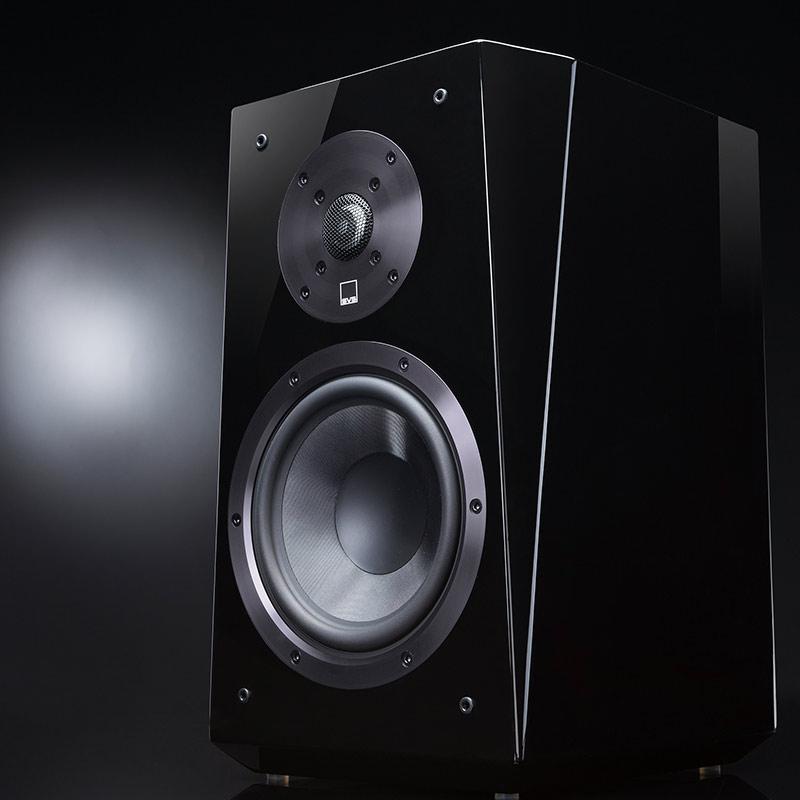
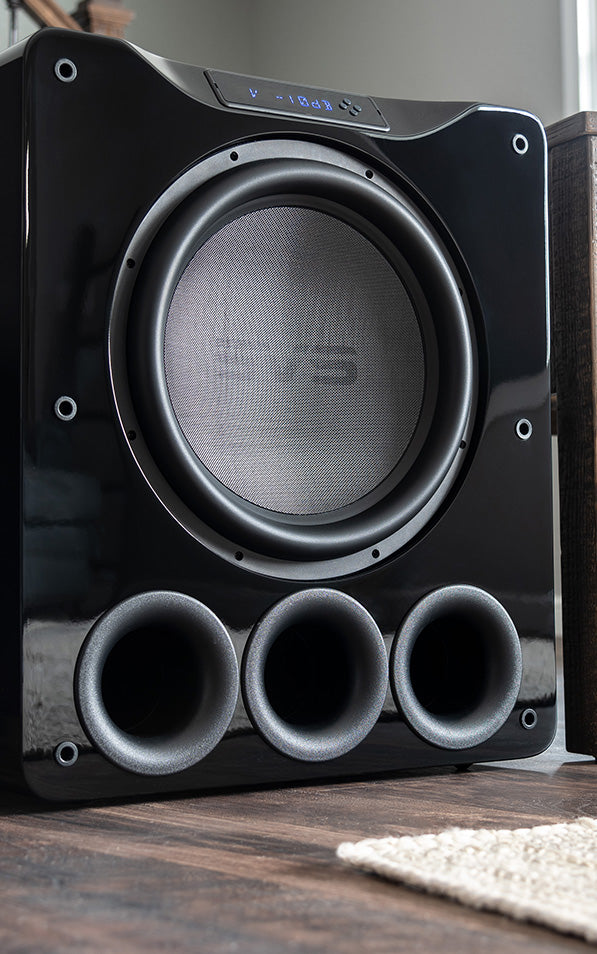
This is a review of the SVS 25-31PC+ subwoofer and the SBS-01 2.0 bookshelf speaker system. This review contains my observations of and opinions on the performance of these components when used in my 2-channel music reproduction system in my listening room. You can choose whether or not you believe anything I write about the speakers’ performance. I’ll try to ensure that I declare any of my biases within this review.

Full Disclosure:

In the interest of full disclosure, I will tell you that I know Ron, one of the principles of SVS, personally. It was, in fact, a visit by Ron to my house and listening room that led me to audition the SVS products. There, I said it!

Background:

I’ve been a pop/rock musician for a long time. I have a basement studio where I’ve recorded local musicians as well as my own music. I’ve had an interest in music reproduction ever since I bought my GE Wildcat stereo as a kid. I’ve designed and built speaker systems up to concert reproduction capability. I was a principle in a company that provided DJ services for parties and other functions. To say I’ve been immersed in sound for my adult life is not an exaggeration. Whether it’s performing or listening, I’m reasonably passionate about the sound of music (not the movie...).

Other Equipment Used In The Audition:

Conrad-Johnson DF-2 CD player
Jolida SJ 502B 60-watt per channel Tube Stereo Integrated Amplifier
Mirage 1090i Loudspeakers

The 502B amplifier does not have a preamp in/out loop, so I used only the CD player to perform the listening and analysis of the SVS components’ performance. The output of the CD player went directly into the low level inputs of the 25-31PC+, then out to the Aux. inputs of the amplifier.

My Personal Philosophy About Music Reproduction:

I believe that anyone can throw tons of money at a stereo system and in all probability come up with a nice, listenable end result. My approach has always been to achieve the most ‘realistic’ reproduction of music (in other words, my ears and brain can fool me into believing that I’m hearing live persons performing the music) possible without spending Croesus’ money. I also think that, if one is careful in room treatment, selection and setup of components and software (CDs, records, etc.), one can get closer to the ‘you are there’ experience. I try to have my system ‘reproduce up’ (give me more sound than the money spent would imply).

Part of being careful with setup for me has been ensuring that the components I use get as much help from the local environment as possible. I do not use MDF shelving; it kills the sound. I built special extra-thick maple shelves on which each component sits. I have brass, cone-pointed feet on which each component of the system sits. I listen to things before and after making changes to determine whether I’m heading toward audio Nirvana or away from it by making the change. I do possess test equipment (HP distortion meter, sound level meters, etc.), but results of the tests are not the final arbiters of my ultimate equipment use decisions.

Where It Started:
 
Ron came to my house for a social engagement. Of course we got onto the subject of music; my stereo playback system is on the main floor and is used a dedicated listening room. We spent quite a while talking about music, then we listened to the system. I let Ron sit in the chair since he was a guest (I only have one piece of furniture in the room other that stereo equipment - my big, leather recliner). Ron made comments as we listened to some CDs about the general quality of the listening experience.

He said that the overall sound was very good, with nice imaging and depth of soundstage, but the acoustic treatment of the room (Helmholtz resonators, diffusers, absorbers, etc.) ate up a reasonable amount of acoustic energy. Also, the Mirage 1090i speakers begin to roll off significantly below 100 Hz, and the system could use the lower one to two octaves to round out the sound. I agreed wholeheartedly; I’ve been thinking about going to a 2.1 system (subwoofer and speakers) for years, but haven’t been impressed by anything but the most expensive subs. I just couldn’t see enough music value in doing this to justify the expense.

Ron said that I didn’t seem to be an Audiophile (read: nut case), since I didn’t have stands under speaker wires, wooden buttons or such on components, or green pens around. I told him that I actually did use the green pens on CDs, and I thought that this made an agreeable difference in the sound of reproduced CD music (see Philosophy, above). By the end of the night we agreed that Ron would provide an SVS demo setup to me and that I’d audition it.

The Audition Begins:

I’ve taken a lot of flak from family members as I set up my listening room; my careful measurements for starting placement of speakers, building and installing room treatments and other audio follies have provided no end of family entertainment over the years. So it should come as no surprise to the reader that I made certain that I could get my speakers back into exactly the right place after the audition was complete. I also thought that, even though the SBS-01s are a different breed of speaker, I would start with placement of these in the same spot in the room.

Once I got everything plugged together, I played tons of CDs over several weeks in order to give the speakers some time to break in and loosen up. My initial impressions were that the system sounded pretty good during this time. The sub was definitely there; it was driving the whole house at times! The SBS-01 tweeter impressed me right away; smooth, detailed and able to reproduce things like cymbals, flutes and voices exceptionally well.

Forgive my prejudice here, but home theatre is all about the bombast; you have to feel the chop of helicopter rotors or the impact of a spectacular car crash or a bomb exploding or the movie being watched isn’t as much fun. The sound, like the picture, must be bigger than life. I mentioned that my music listening goal is different; to get close enough to ‘I am there’ to enhance my enjoyment of the playback. So I didn’t want the bass to overpower everything else in the system, just add to it where it was needed. The amount of control one can exercise over the 25-31PC+ is fantastic; by playing with the crossover frequency, phasing and levels, I got a nice, accurate blend of the lower octaves into the musical picture. The Owner’s guide gives reasonable help in achieving this.

I began to sit and listen and make notes about the listening experience once the speakers had been limbered up. I used CD only, since any other playback media would have been too much hassle given the equipment I have.

There were specific things I wanted to hear during listening; do maracas sound like gourds with beads in them, or do they sound like white noise? Do triangles, cymbals, bells and tambourines sound like they do when I provide percussion to tracks in the studio? What did male and female vocals sound like? Did every singer have a chest cold, or was there a natural sound to the vocals? Was the bass all one note, or could I hear progressions on bass guitars, cellos, etc.? I used songs from CDs that I know inside out; that I’ve played hundreds, if not thousands, of times so that no nuance of the differences between the Mirages and the SVS system could be missed. I won’t bore you with every little thing I wrote down for each song, but I will hit the high points (for me) of the review notes.

Beatles, Rubber Soul, British version:

George Martin had a unique audio vision for the Beatles’ mid-period music; dry, almost brittle recordings of spare, acoustic sounds, backed with electronic instruments to fit the mood of the song. I believe that if one wants to know the genius of the Beatles you must listen to the British versions of the songs, not the “Crapitol” American mixes. There are a large number of quick, bright transients that can be a challenge to reproduce clearly.

Cut 2 – Norwegian Wood – I could really hear the slap of the pick on the strings of the acoustic guitars and the rhythm of the strumming of the players. The finger cymbals and tambourine jingles were almost perfectly reproduced. The bass guitar was integrated and nicely present, with soft transients for each note.

Cut 4 – Nowhere Man – The first thing to strike me were the melodic bass lines that McCartney provided for the song; just driving the music along, making the song’s message more urgent and pressing. The decay of the reverb on the a capella voices at the beginning of the song sounded natural to me. The pattern of Ringo’s bass drum was revealed to me as a definite, solid backbone to the song. The guitar attack for the ‘middle eight’ was right; not brittle or biting, but not reticent.

Cut 9 – Girl – Key item; you can really tell that the breath intake between each “girl...” is through the mouth and not the nose. Lesser speakers don’t reproduce this properly, or they make it sound like white noise. John’s lead vocal is really plaintive; the emotion comes right out of the speakers to you. We know that Paul and George were singing, “tit, tit, tit...” the question is, can you really hear it as the song is playing? Yes, I could!

Cowboy Junkies, The Trinity Session:

Margo Timmins’ voice is the key here; she just held onto every note on every song and wrung it completely dry of any leftover emotion. The single-miked recording was made with great care. The bass drum can rock your world with its’ depth and power.

Cut 5 – I’m So Lonesome I Could Cry – I didn’t think it was possible to out-lonely Hank Williams, Sr, but Margo and company did here; her voice was spectacularly reproduced by the SVS setup. Hi hat work was revealed very nicely, and ride cymbal strikes were at the almost-real stage; just the tiniest bit of drumstick tip strike was not there.

Cut 10 – Sweet Jane – A truly wonderful version of Lou Reed’s chestnut. The reverb decay on snare rim shots was truly close to what they sound like live. Decay of cymbal ringing was sweet and natural.

Squeeze, Singles 45’s and Under:

Mid-to-to-late 70’s/early 80’s classic pop that I just love! Important thing with this CD is the system being able to provide clear, articulate reproduction so that lyrics and the drive of the songs come through.

Cut 2 – Goodbye Girl – There’s a quick triplet on the guitar near the beginning of the song that I’d always heard as a single note in the past; this system revealed it for what it is! The percussion is just exactly where it needs to be; not too up front, but also not covered up by all the other musical activity.

Cut 5 – Pulling Mussels (from the Shell) – One of the best pop songs ever, in my opinion. It’s really hard to discern the lyrics, but the SVS system really was fantastic in doing this. The bass guitar notes were high enough in the mix using the 25-31PC+ that they propelled the music along like it needs to be.

Cut 10 – Tempted – This is blue-eyed-style soul that just cranks me to no end. The snare snaps so crisply that it pushes the song (a fantastic example of ‘pace’ for the British). Tom fills were more present using the SVS speakers than the 1090is. Really a great demo cut that shows off what the SVS system can do to make listening to music a joyful experience.

Diana Krall , The Girl In the Other Room (2-layer SACD):

TGItOR gives one a chance to listen to an absolutely lovely female voice.

Cut 2 – TGItOR – Ms. Krall’s voice was just alive with the SVS system; I closed my eyes and she was there (if only!). The piano figures just floated in the air; just the tiniest bit of the hammer striking the strings was missing to make me believe that the piano was actually in the room. Once more, the bass simply lifts the song up onto its’ feet and moves it along.

Favorite Cello Concertos, Jacqueline Du Pre:

Cellos can be so mournful and so uplifting, too, depending on the song. A good system can resolve both types of cello music.

Die Schonsten Cellokonzerte (Haydn) – My feet were tapping from the very first notes! Even the violins had more proper timbre and ‘weight’ in the mix. But the SVS system really allowed Ms. Du Pre’s virtuoso cello work to stand out; you could ‘see’ the rosin flying off the bow strings! The grunts and grinding of the cello, which to me are a huge part of the sound of the instrument, were there for you. The decay of the recording site was all around. Truly hearing the nuances of instruments helps the music feel more real.

The Vienna Philharmonic, Carlos Klieber:

One of Deutsche Gramophone’s marvelous Legendary Recordings CD re-releases.
Beethoven, Symphony No. 5 in C Minor – I heard deeper into the performance (more instruments, with more detail) with the SVS system than with other equipment. More of the complexities of the composition were revealed to me.

Bob Dylan, The Best of Bob Dylan:

Many systems make Dylan’s harmonica a painful thing to listen to; far too reedy, sharp and just nasty. This CD was a good test for the SVS system.

Cut 3 – Don’t Think Twice, It’s All Right – Dylan’s voice was intimate and up front, with the guitar figures presented at just the right level in relation. The harmonica was reproduced absolutely wonderfully. Several times I could hear several reeds working together in the instrument to make the notes.

Cut 9 – I Shall Be Released – The high points of this are the two voices that sing the refrain; a good system will allow you to hear each voice and how the phrasing of each person is the tiniest bit different. The SVS system allowed the bass drum to propel the song with the appropriate energy and urgency.

Conclusions:

I enjoyed my sessions with the SVS system. It does so many things well and it generally doesn’t do anything wrong when reproducing music. I think that the 25-31PC+PC+ and the SBS-01’s are a great speaker setup for two-channel music reproduction.

One thing that is a bit different is the 01’s efficiency; I get more acoustic output from the 10190i’s than from the SVS 01’s (60 watts per channel isn’t all that much tube power, really). I thought, “Well, I’ll just put the Mirages back into place, and run the 25-31PC+ along with them.” I’ve been listening to the system configured like this for a while now, but you know what? I think I prefer the 25-31PC+ and SBS-01 combination! There is just a little less smearing of sounds (sibilants, tambourine jingles, triangles, etc.) using the SBS-01s. Yeah, I need to turn the volume up more using the SVS system, but...

One last thing I need to explain to you; I did not go onto the SVS website until just now, after I’d written the review above. My God! The 25-31PC+ is only US $775.00, and the SBS-01’s are only US $225!??? If you want some nice sounds in your 2-channel listening environment, then by all means buy these before the prices go up!

I’m not entirely there yet, because if I decide to go with the SVS system permanently, I’ll need to buy a separate preamp in order to use my turntable and tuner (or put a preamp in/out into the Jolida; something I’m not mentally prepared for at this time). But, I’ve got to tell you, if you want truly wonderful reproduction of two-channel music, consider the SVS systems.

However, the website does say that larger, multi-driver speaker systems are coming soon, so I’m probably going to purchase the 25-31PC+ and a preamp (thank you, honey, for being such an understanding spouse!), and wait until the larger mid/treble units come out before I replace the Mirage speakers in my system.


Contact Questions? Call: (703) 845-1472 or Toll Free (877) 626-5623 or E-mail us at: sales@svsound.com | Copyright 2005 - 2008 SVS
Web Site Visual Design: SVS and FATHOM
Application Development: Robb McNabb
Privacy Policy