Does Room Size Matter When Choosing a Subwoofer?
A Guide to Finding the Right Subwoofer for Your Listening Space.
Room size is one of the most important factors when choosing the best subwoofer for your home theater or stereo system.
A subwoofer that produces effortless, chest-pounding bass in a smaller room may not deliver the same experience in a large home theater or open-concept living space. Deep bass requires moving a tremendous amount of air, so the larger the room, the more low-frequency output is needed to pressurize it.
In Part 1 of our SVS Sound Experts Choosing the Right Subwoofer series, the SVS Sound Experts explain how room volume affects subwoofer performance and which SVS subwoofers are best suited for small, medium, and large listening spaces.
Start With Cubic Feet, Not Just Square Footage
Room length and width only tell part of the story. Ceiling height can dramatically change how much space a subwoofer must energize, so calculate the cubic volume of the entire listening area:
Room Length × Room Width × Ceiling Height = Cubic Feet
For example, a 15 × 14-foot room with an 8-foot ceiling measures 1,680 cubic feet, placing it in the small-room range. The same floor plan with a 12-foot ceiling measures 2,520 cubic feet. The floor space hasn't changed, but the subwoofer now has 50% more space to energize, enough to change the output required for the same visceral experience.

SVS Subwoofer Room Size Guidelines
These ranges are practical starting points, not hard cutoffs. Your room layout, listening preferences, and desired output can move the recommendation up or down.
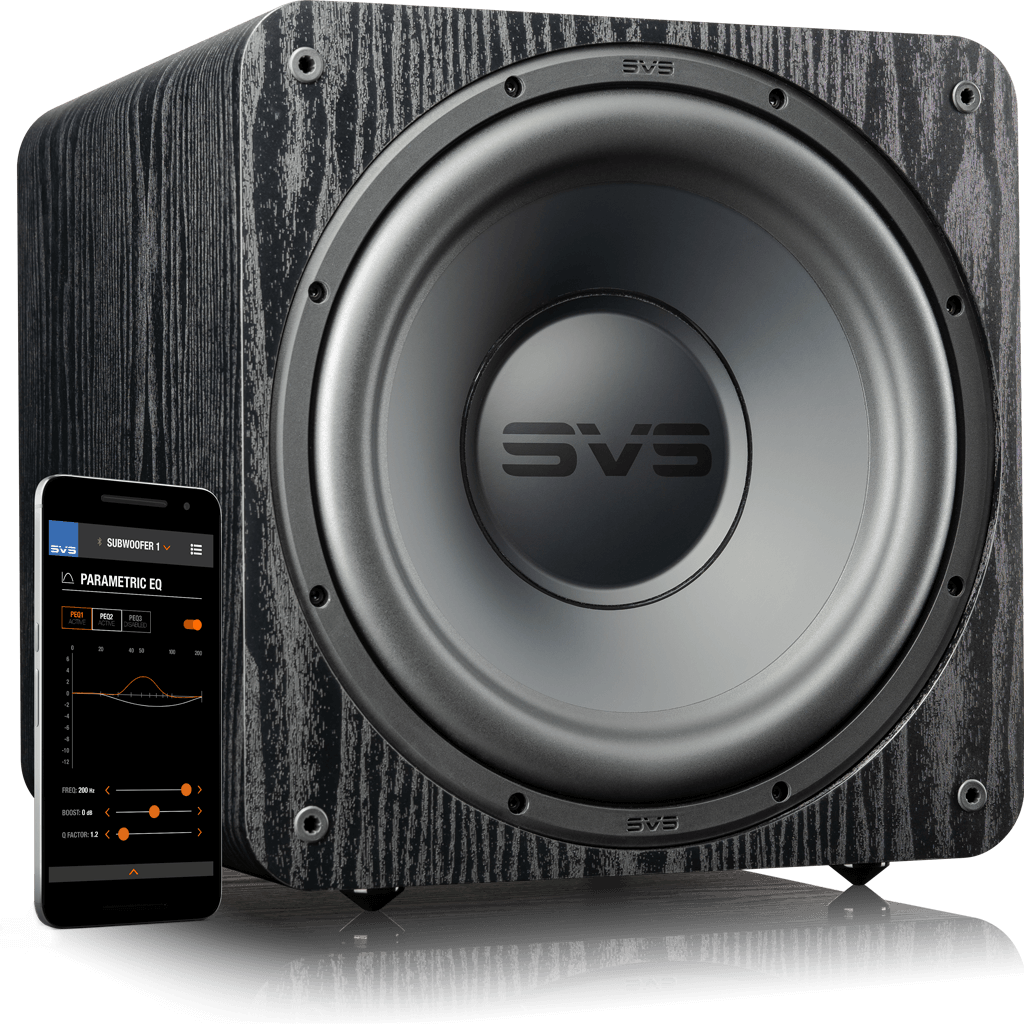
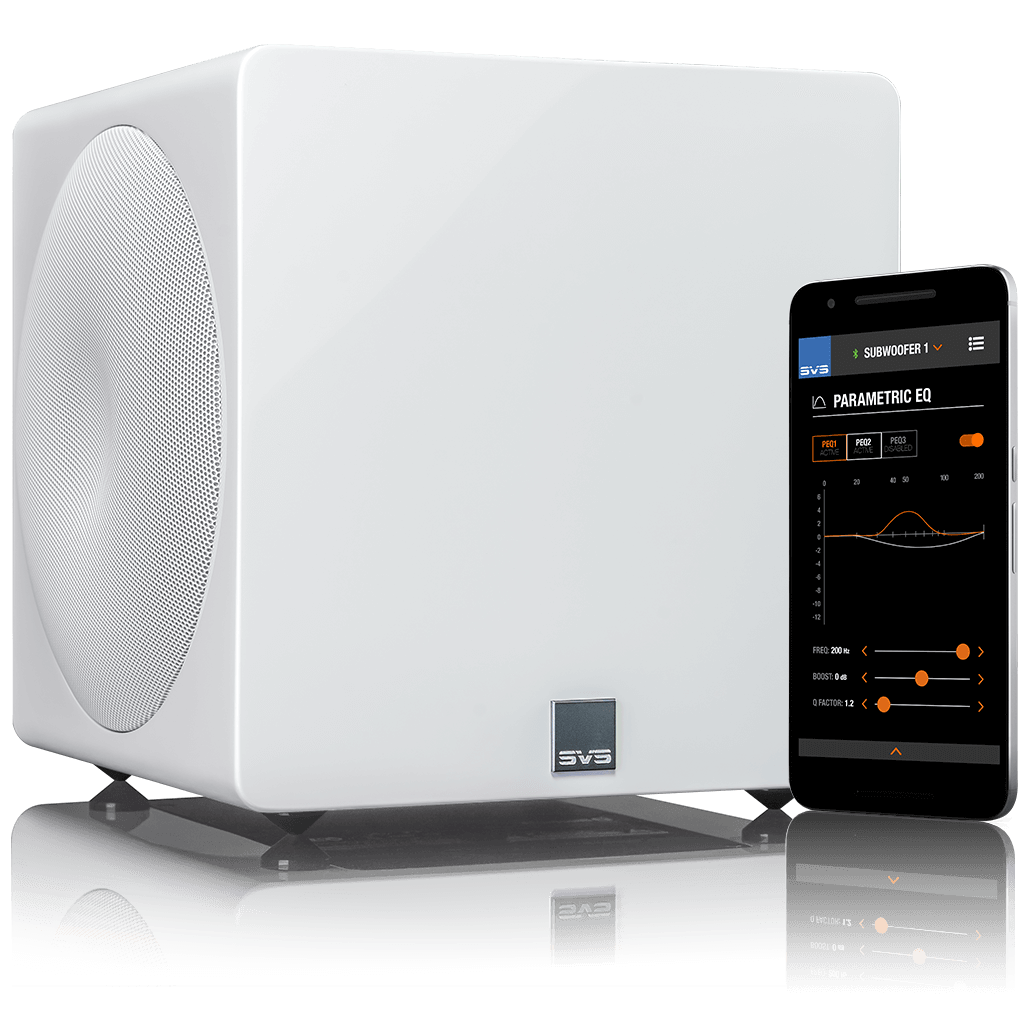
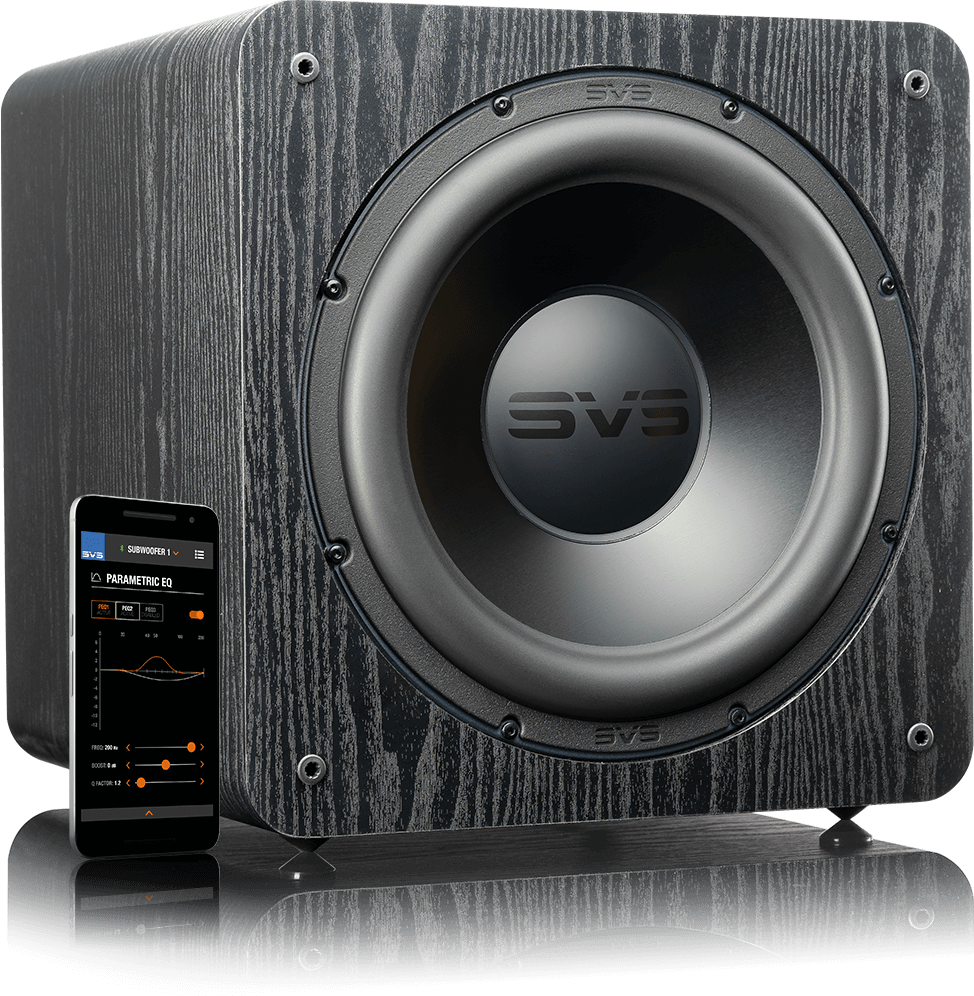
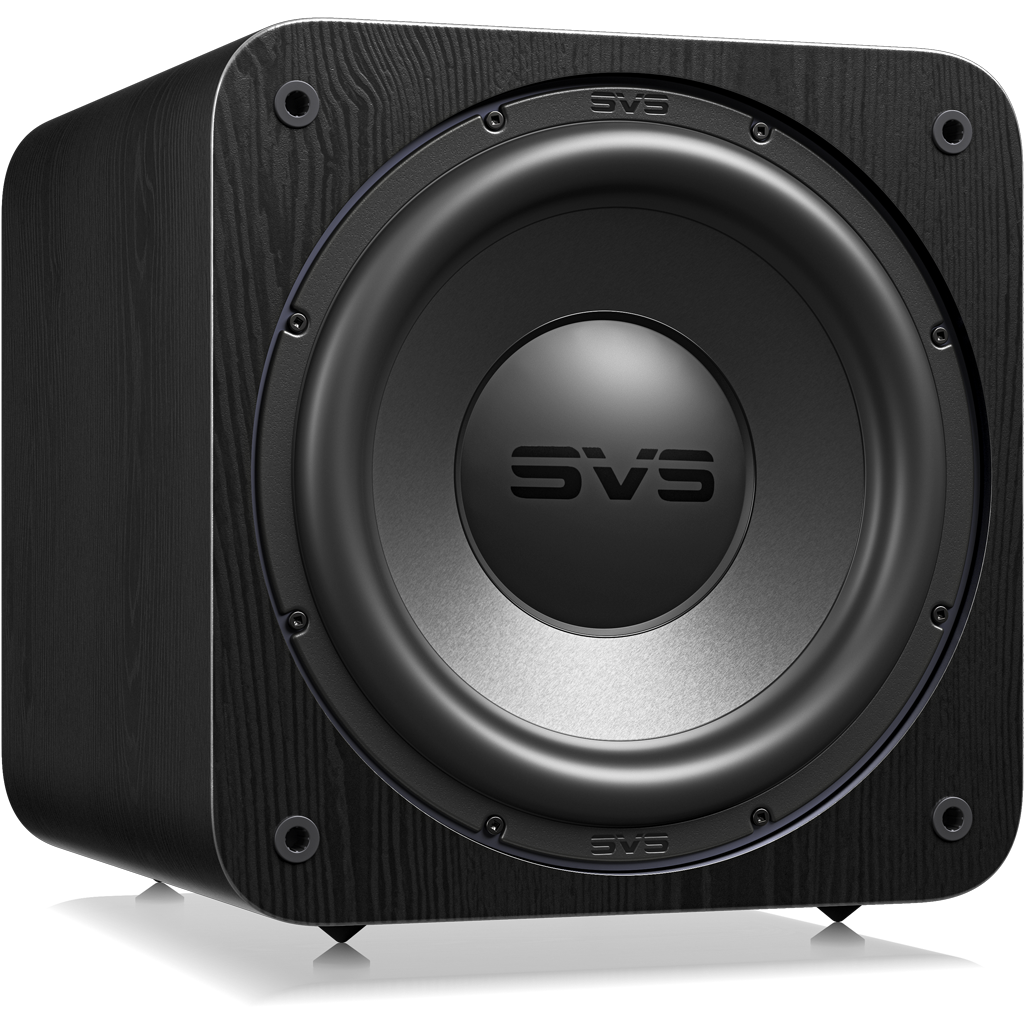
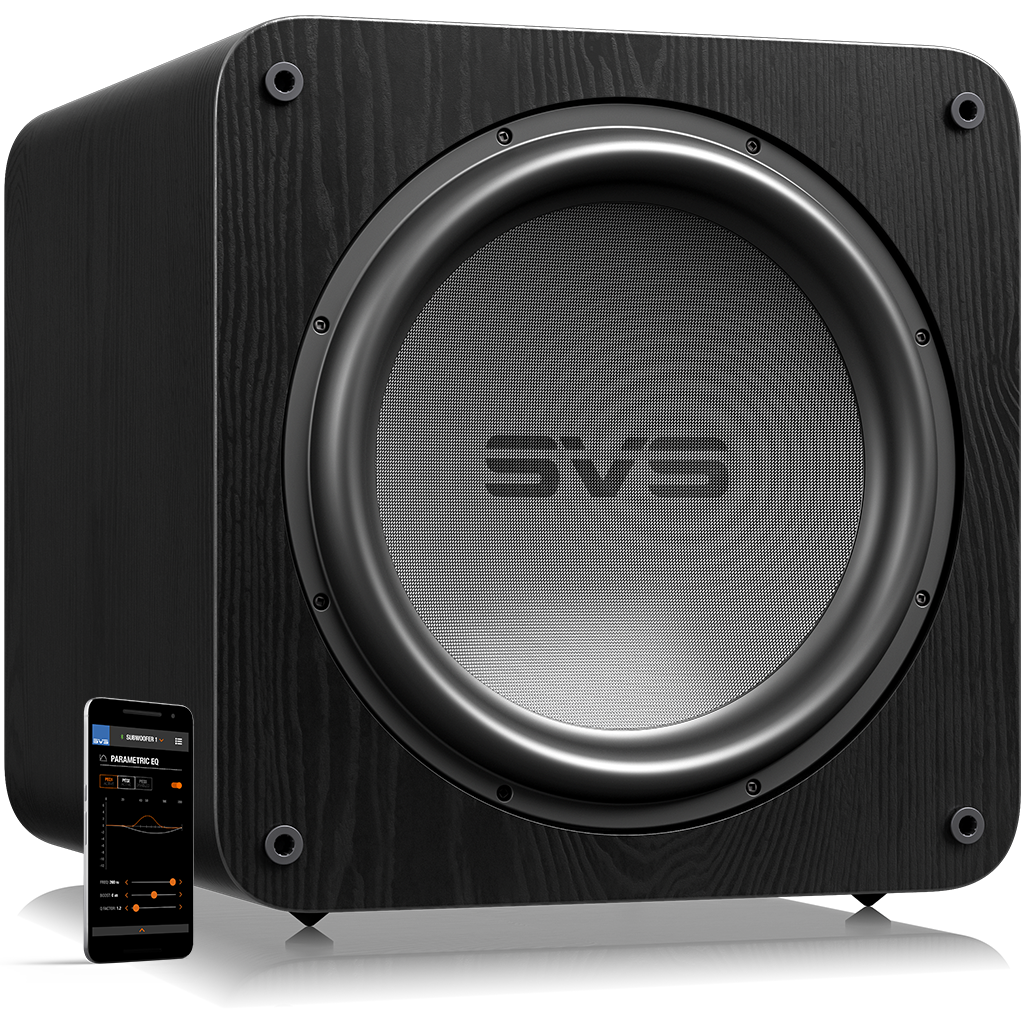
Small Room: Approximately 1,500–1,700 Cubic Feet
Smaller enclosed rooms provide greater acoustic reinforcement, often called room gain, which can enhance deep bass output. That makes compact sealed subwoofers and other space-efficient models especially effective. Properly matched, they can deliver deep extension and tactile impact beyind a sealed subwoofer’s rated specs, without using more subwoofer than the room requires.
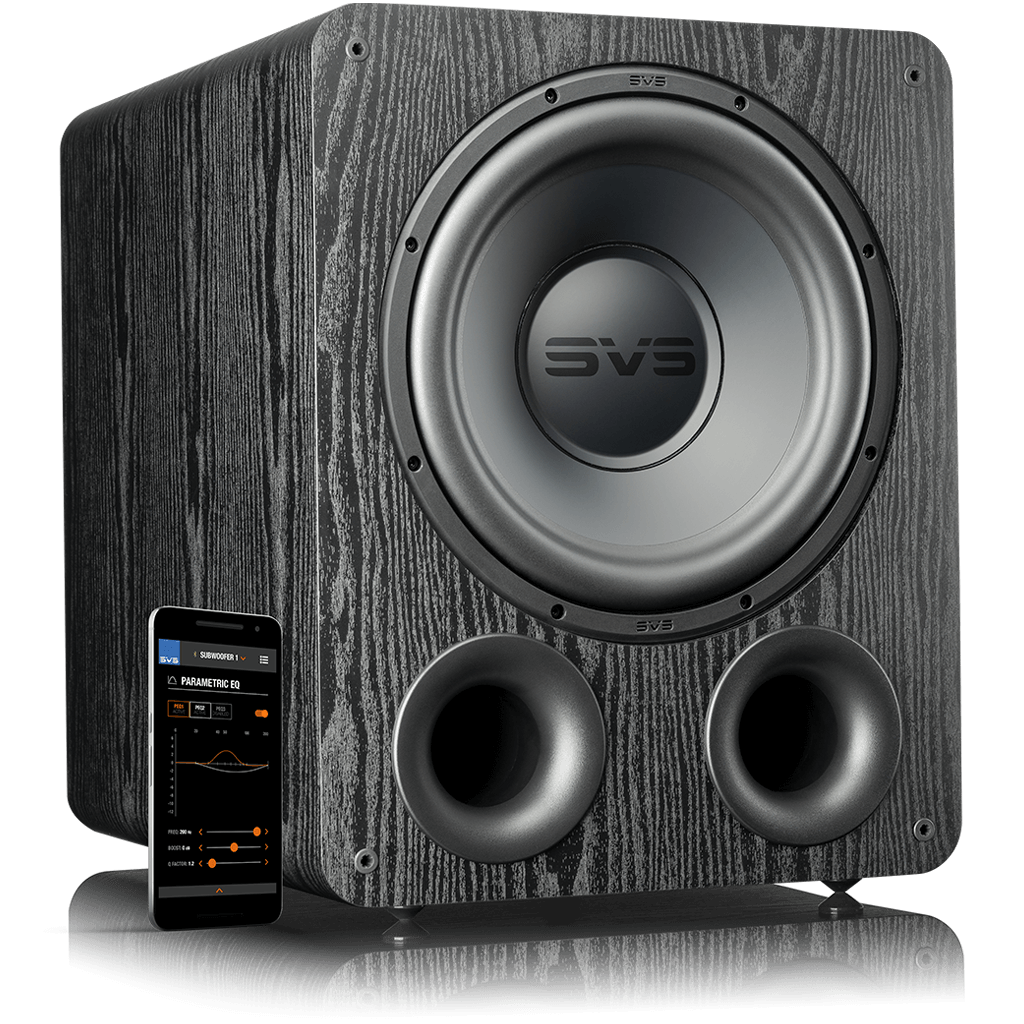
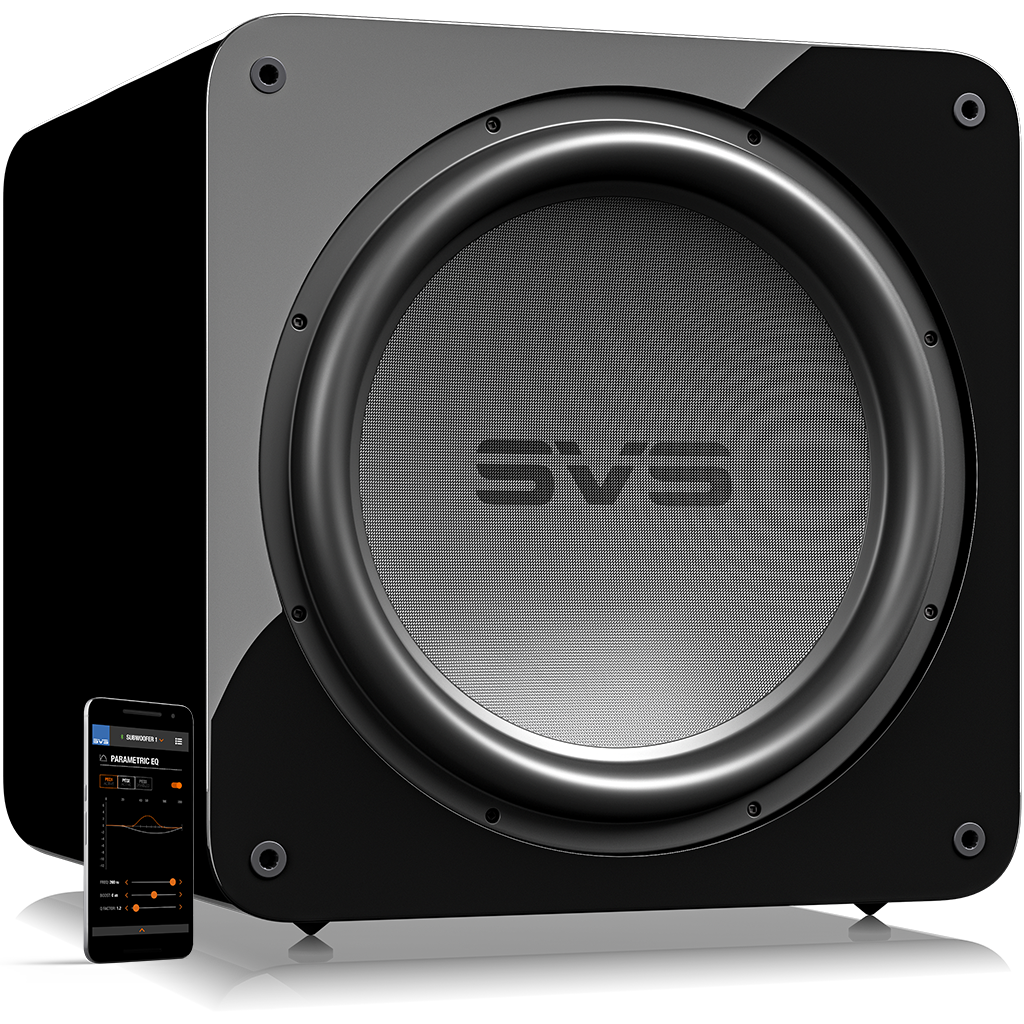
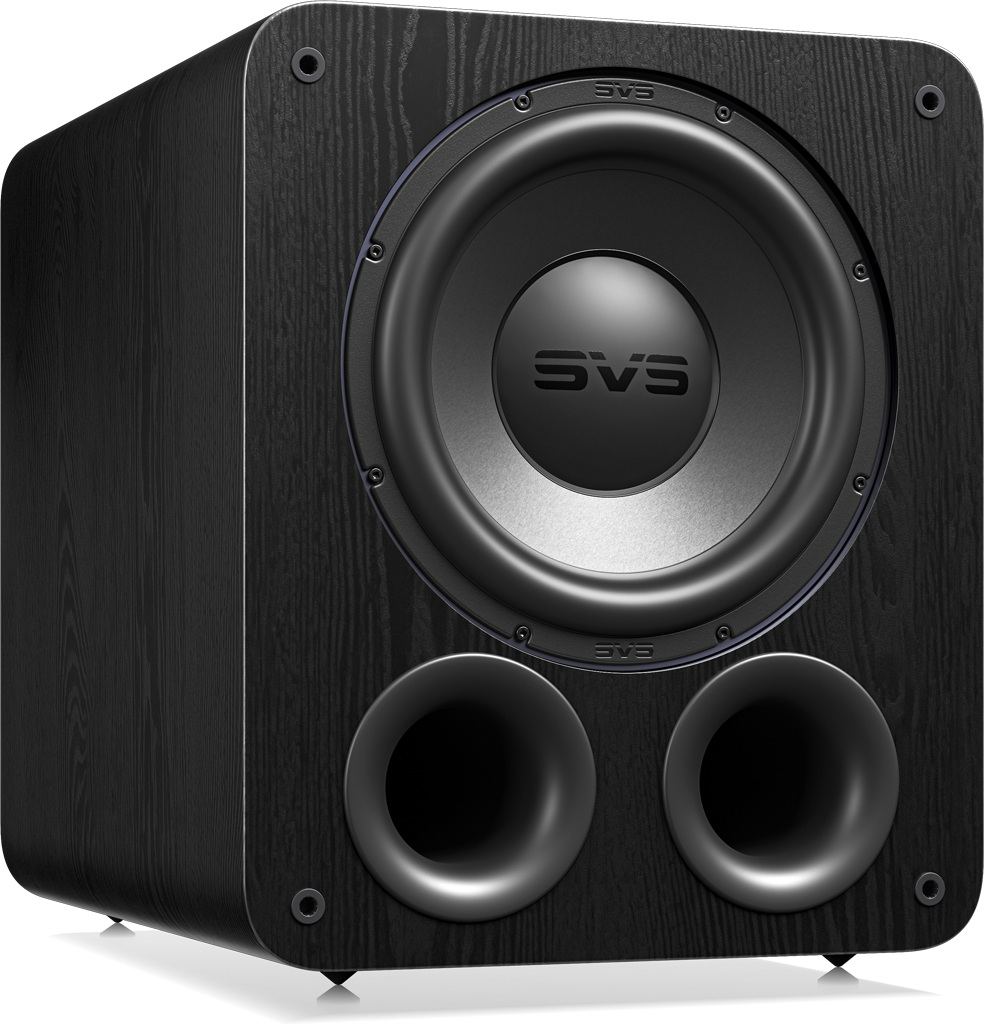
Medium Room: Approximately 2,500–3,500 Cubic Feet
As room volume increases, output capability and headroom become more important, especially with demanding action movie soundtracks and deep effects below 20 Hz. A more powerful subwoofer can reproduce dynamic peaks cleanly without compression or strain. Dual subwoofers may also improve headroom and create smoother bass across multiple seats.
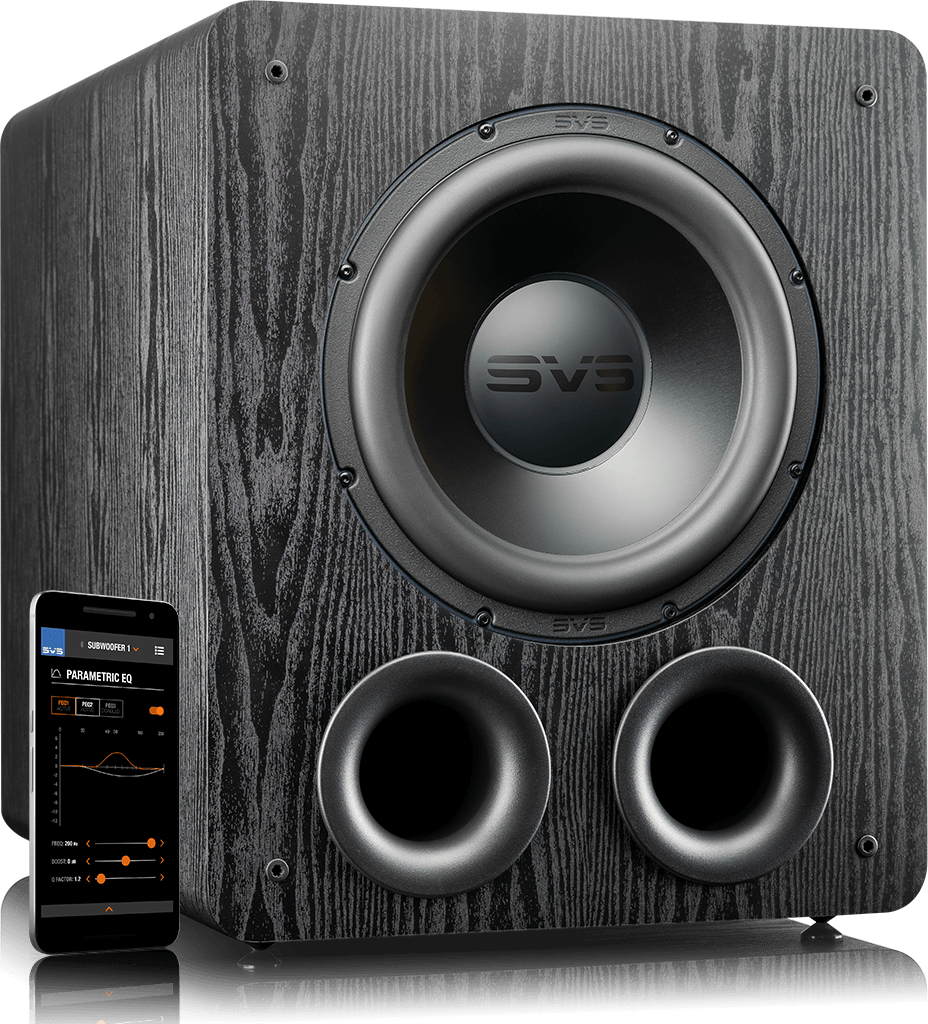
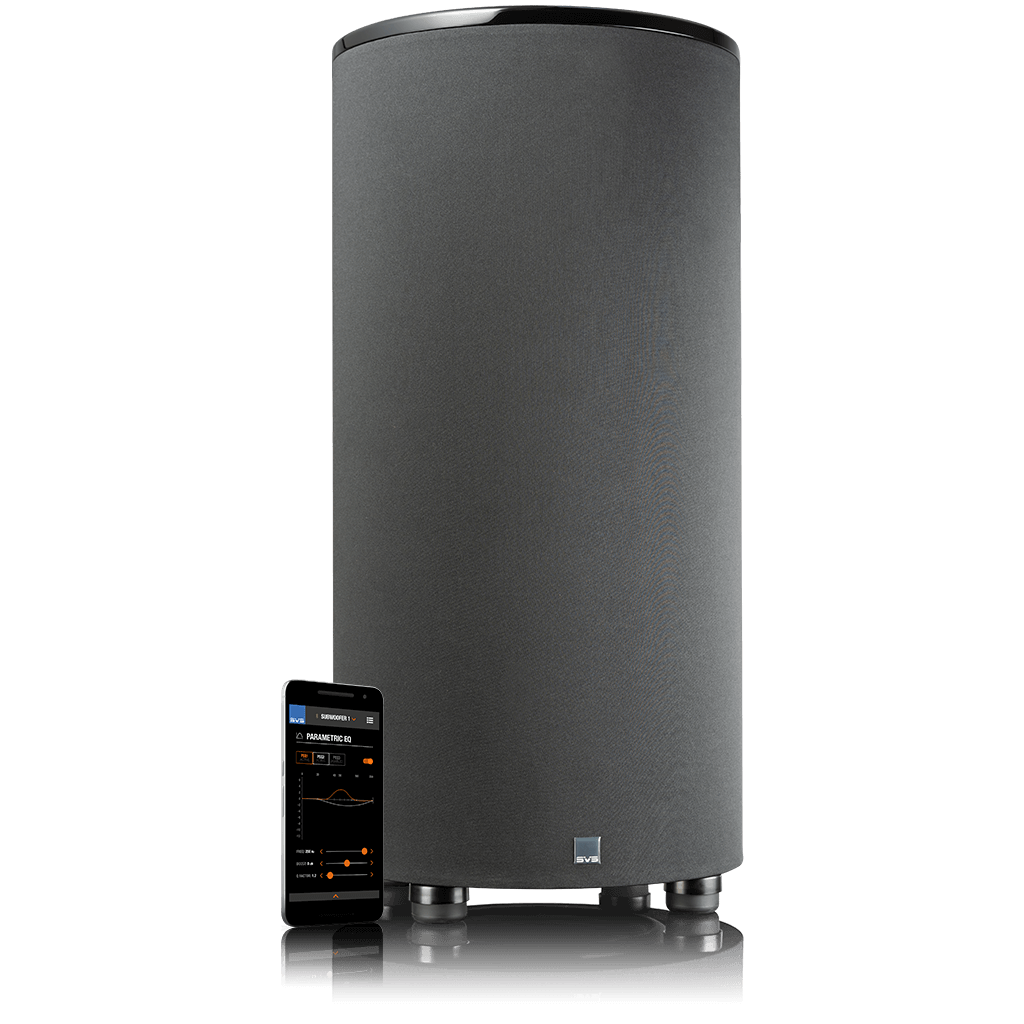
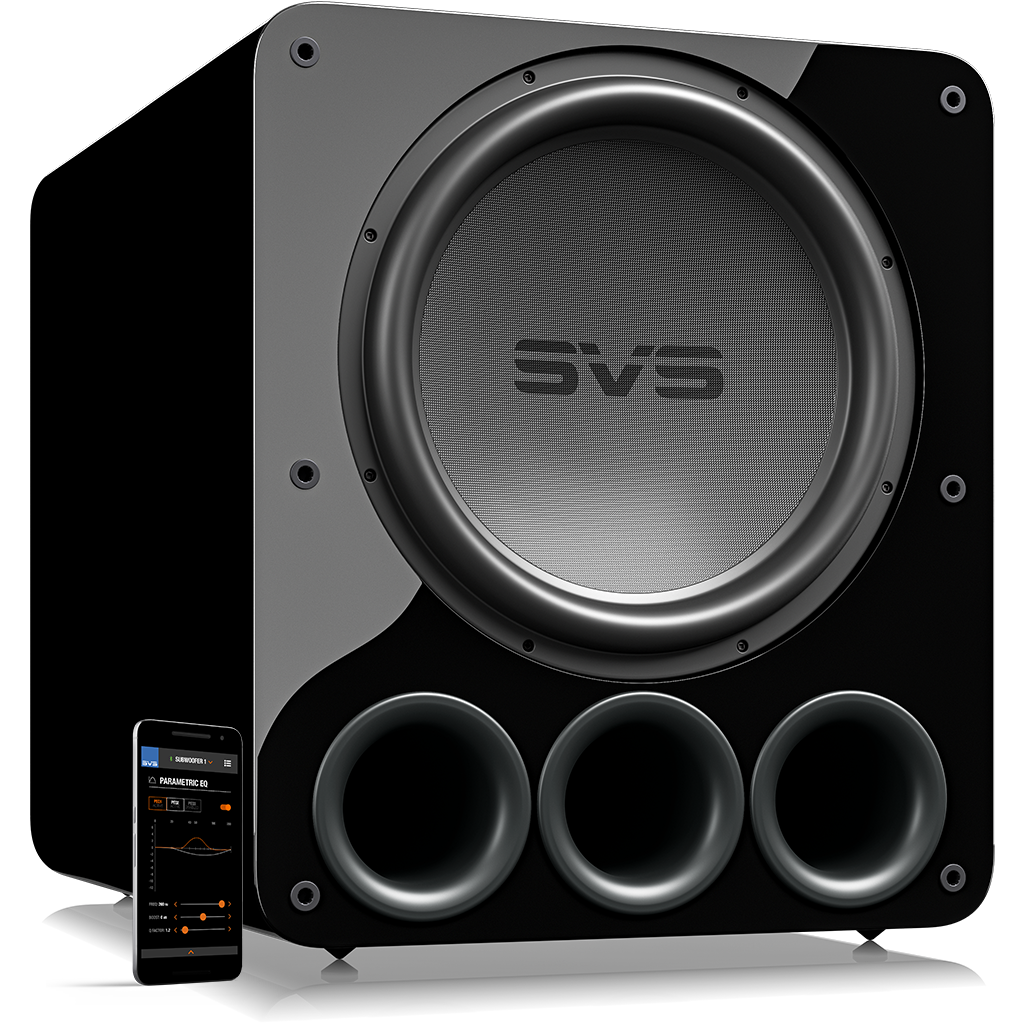
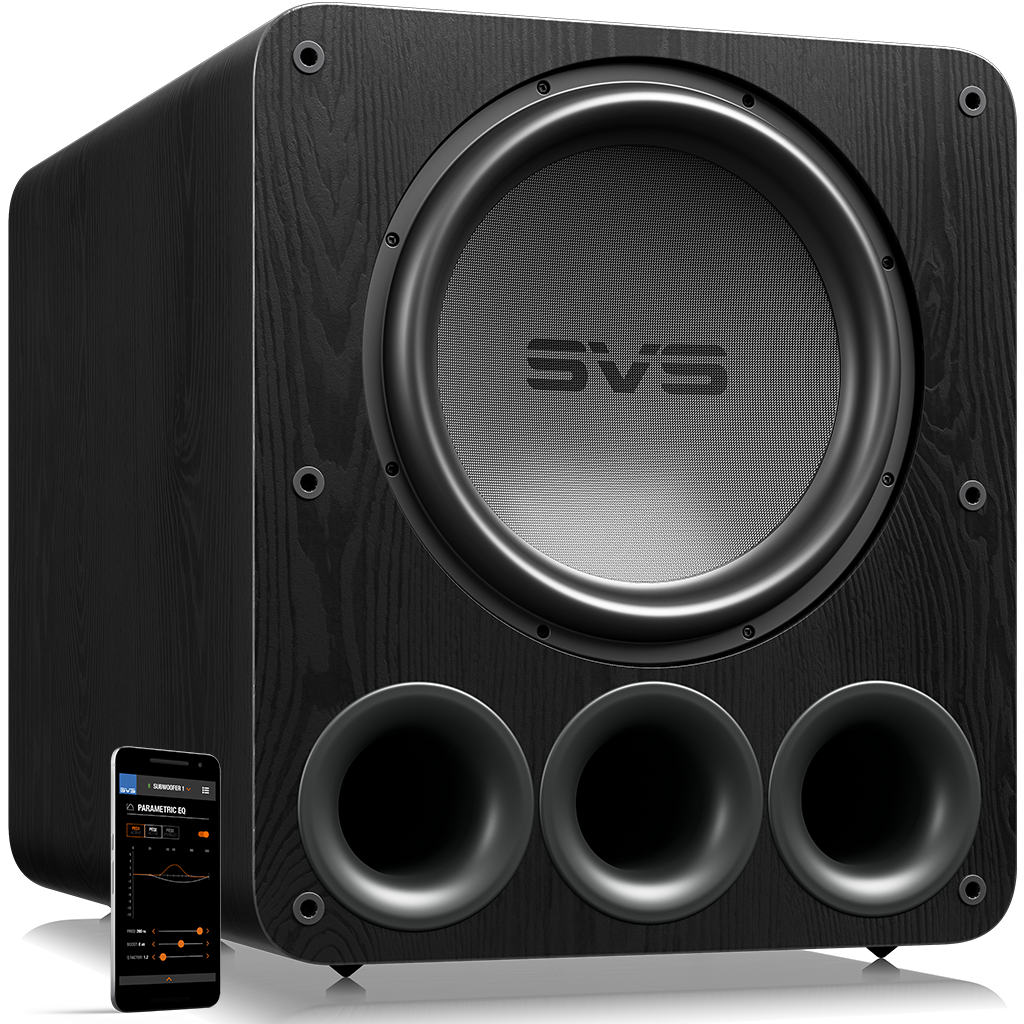
Large Room: Approximately 4,000–6,000 Cubic Feet
Large rooms place significantly greater demands on a subwoofer. High-output models, ported designs, and dual or multiple subwoofers can move the air required for convincing room pressurization while maintaining clarity and control. For listeners seeking reference-level home theater performance, subwoofer capability is critical to reproducing cinematic scale, dynamics, and physical impact.
Room Size Isn't Always Straightforward
Between the ranges: Treat the recommendations as reference points. If your room falls between categories, listening volume, content preferences, and the number of subwoofers will help determine whether to move up in output.
Open floor plans: Include adjoining areas without a door. A 1,600-cubic-foot family room that opens into a 2,000-cubic-foot kitchen and dining area behaves more like a 3,600-cubic-foot listening environment.
Vaulted or irregular ceilings: Estimate the full air volume as accurately as practical. If the room falls near the top of a recommended range, consider stepping up to a higher-output subwoofer.
Listening Preferences Matter, Too
Two people with identical rooms may not align for the same subwoofer. Moderate music and television listening require less output than blockbuster movies or electronic music played near reference levels. More headroom doesn't mean more bass all the time; it gives the subwoofer performance in reserve so demanding moments sound effortless rather than strained.

Does Room Size Affect Sealed vs. Ported?
It can. Compact sealed subwoofers take full advantage of room gain and integrate more easily into small and medium spaces. Ported models use larger enclosures and tuned ports to produce greater output at the deepest frequencies, making them especially effective for large rooms, open floor plans, and maximum cinematic impact. Either design can deliver exceptional music and home theater performance when properly matched and calibrated.
Learn More About Sealed vs. Ported: Sealed vs. Ported Subwoofers
Should You Consider Dual Subwoofers?
Dual subwoofers are not simply about producing more bass. Proper placement can create smoother, more consistent response across multiple listening positions while adding headroom. Those benefits become increasingly valuable as rooms and seating areas grow.
Why Go Dual?: Benefits of Dual Subwoofers
Quick Guide: What Size Is Your Room?
Start by calculating: Length × Width × Height = Room Volume
Then use these ranges and SVS Subwoofer recommendations as your starting point:
SMALL ROOM: 1,500–1,700 cubic feet
A properly matched subwoofer can use room reinforcement to produce remarkably deep, impactful bass from a relatively compact footprint.
MEDIUM ROOM: 2,500–3,500 cubic feet
Look for greater output capability and headroom. Dual subwoofers may also provide meaningful improvements in consistency across multiple seats.
LARGE ROOM: 4,000–6,000 cubic feet
High-output subwoofers become increasingly important. Ported designs and dual or multiple subwoofers can deliver the scale and room pressurization serious home theater demands.
The Goal Isn't the Biggest Subwoofer. It's the Right Subwoofer.
Choosing by room size isn't about putting the largest possible cabinet in your space. It's about having enough performance to reproduce bass effortlessly. When a subwoofer is properly matched and calibrated, it integrates seamlessly with your speakers, adding weight, scale, and physical impact only when the recording demands it.
Ready to Find the Right SVS Subwoofer?
Once you know your room volume, you're one step closer to choosing the right subwoofer for your system. One option to get started is the SVS Subwoofer Matching Tool. While it doesn’t account for room size, it suggests potential matches based on your speaker brand and model and provides the proper settings to blend them seamlessly.
Explore sealed and ported SVS subwoofers engineered for deep extension, massive output, pinpoint control, and immersive performance in rooms of virtually every size.
Nick and Ed explain why room size matters and recommend SVS subwoofers for small, medium, and large listening spaces.