Choosing the Right Subwoofer For Your Listening Tastes
Choosing the best subwoofer isn't only about the size of your room. What you listen to and how loudly you like to listen can be just as important.
Someone building a smaller two-channel system for jazz, acoustic music, and classic rock has different priorities from someone who wants to experience action movies or Hip Hop at near-reference levels. And a listener who enjoys streaming Netflix at moderate volume doesn't necessarily need the same output as someone who wants visceral explosions to shake the couch.
That's why the next step in choosing a subwoofer is understanding your own listening habits.
In Part 2 of our Choosing the Right Subwoofer series, we're looking beyond room size to explore how movies, music, gaming, and preferred playback levels can help determine how much subwoofer you really need.
Start With a Simple Question: What Do You Listen to Most?
There's no such thing as a subwoofer that can only play music or one that's only suitable for movies. A well-designed subwoofer should accurately reproduce whatever low-frequency information it's given.
Different types of content place different demands on a subwoofer. Music often challenges a subwoofer to reproduce subtle differences in pitch, texture, timing, and dynamics. They also require a subwoofer to have excellent transient response, or, the ability to stop-and-start on a dime with no bloat or overhang.
Movie soundtracks can contain intense low-frequency effects extending into frequencies you feel as much as hear. Games can combine both, moving instantly from subtle environmental effects to massive explosions. Understanding your content preferences helps determine which performance characteristics should matter most.
If You're Primarily a Music Listener

A great subwoofer can fundamentally change a two-channel listening experience. The goal isn't simply adding more bass. It's reproducing the full scale and foundation of the recording while integrating so seamlessly with your speakers that the subwoofer seems to disappear and envelop you.
An upright bass should have clearly distinguishable notes rather than sounding like a generic low-frequency rumble. A kick drum should have impact followed by decay. Electronic music should have weight and extension without becoming bloated. And large-scale orchestral music should have the dynamics and low-frequency foundation of the original performance. For dedicated music systems, qualities such as transient response, low distortion, accurate frequency response, and seamless integration with the main speakers are particularly important.
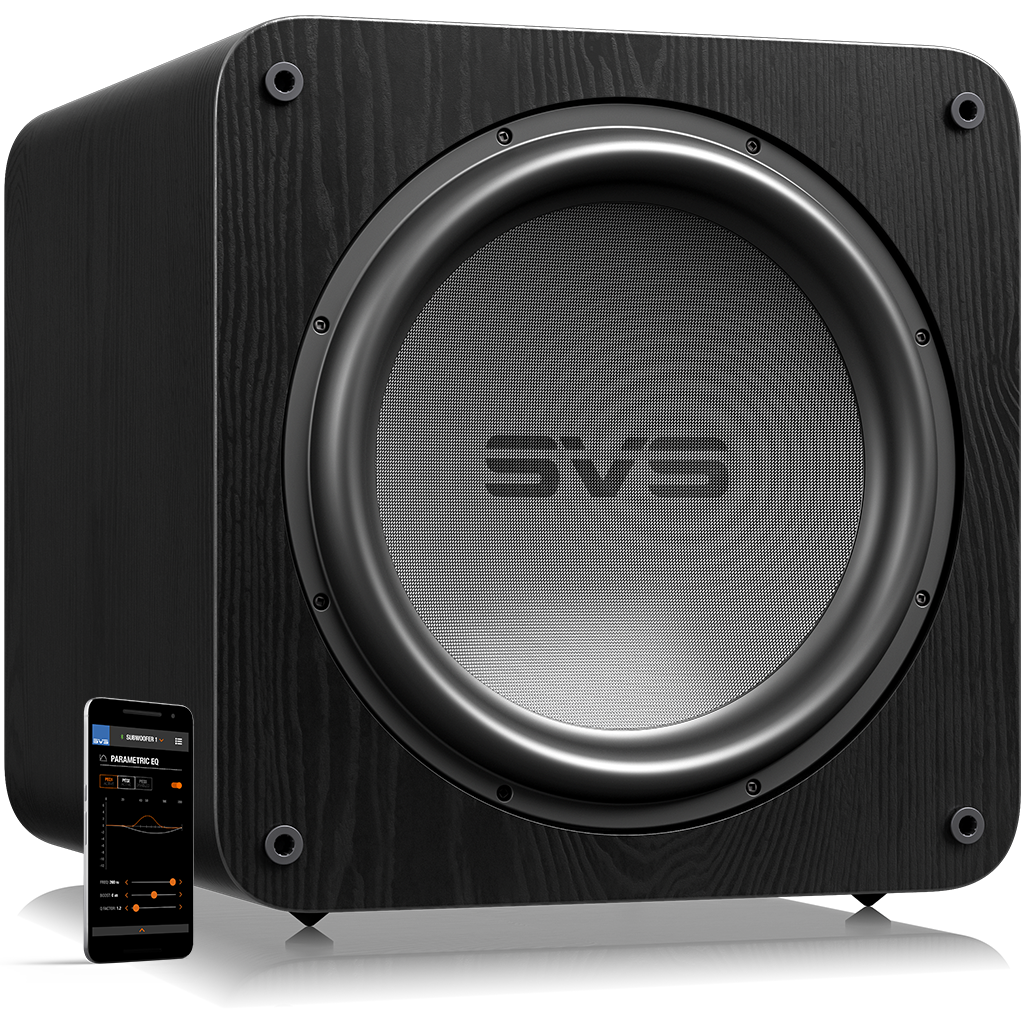
This is one reason sealed subwoofers are popular for critical music listening. Their acoustic characteristics and compact enclosures can provide exceptionally articulate low-frequency performance, particularly when paired with the natural room gain available in small and medium-sized spaces. But don't fall into the trap of believing that sealed automatically means music and ported automatically means movies.
A properly engineered ported subwoofer can be outstanding with music. SVS ported subwoofers are designed to maintain accurate frequency response and excellent transient behavior throughout typical musical bass frequencies while also offering greater output capability at the deepest frequencies. The better question is: What kind of bass experience do you want?
If Movies Are Your Priority
Movies generally present the most demanding low-frequency content a subwoofer will encounter.
Modern soundtracks use the LFE, or Low Frequency Effects, channel to create everything from the subtle rumble of distant thunder to the concussive impact of an explosion. Some soundtracks extend below 20Hz into infrasonic frequencies that are experienced partly through physical sensation. This is where deep extension, dynamic output, and headroom become especially important.
If your idea of movie night involves blockbuster action, sci-fi, superhero movies, or other effects-heavy content, you’ll want a serious subwoofer presence to ensure those moments hit with the scale intended by the filmmakers. Rather than simply hearing an explosion, you feel the pressure change in the room. A spacecraft has physical weight as it passes overhead. A musical score swells with greater scale and emotional impact.
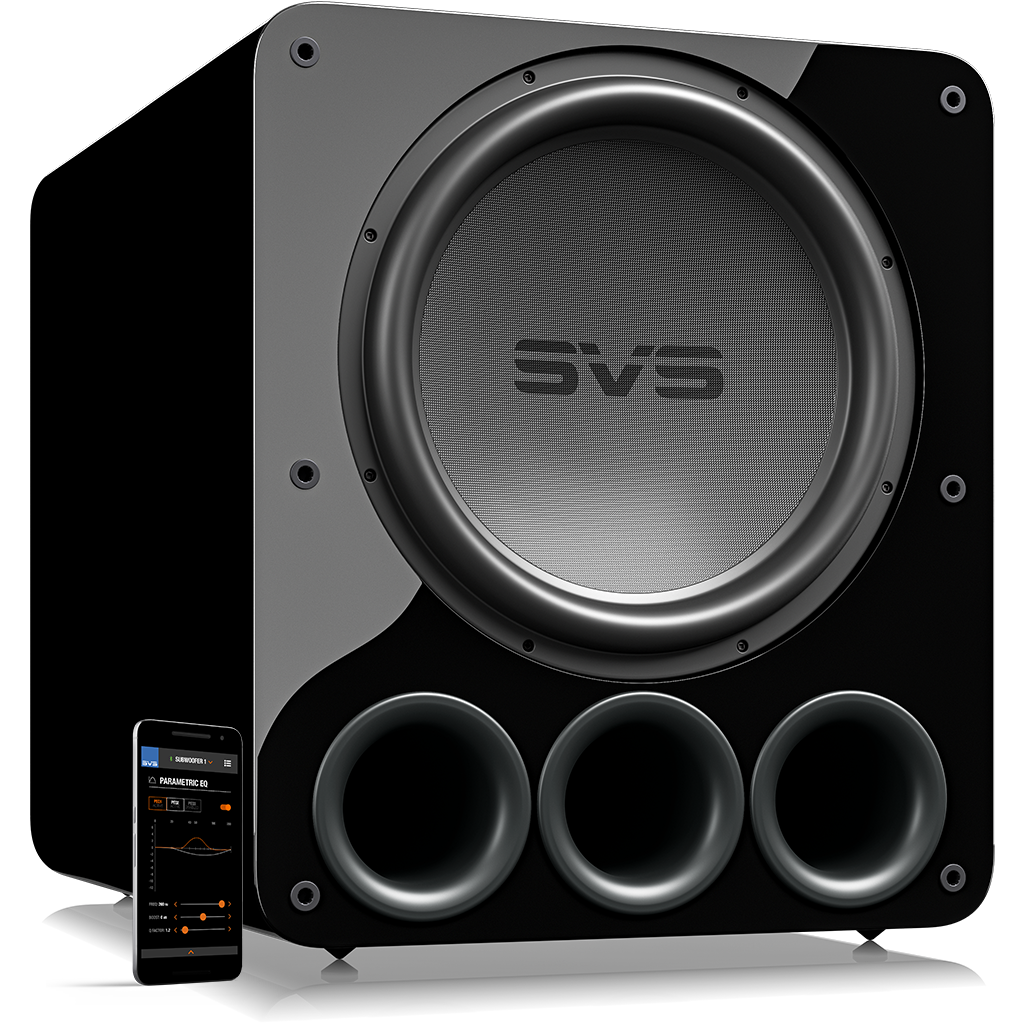
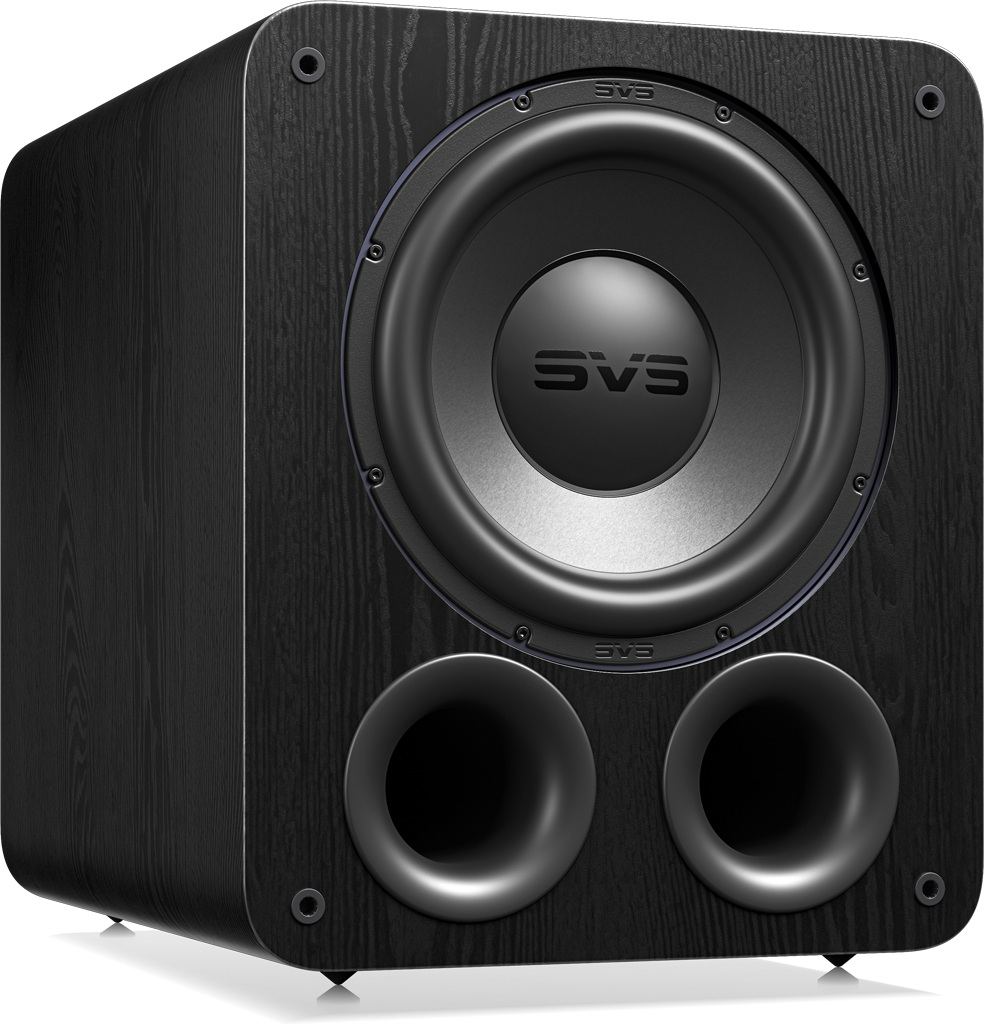
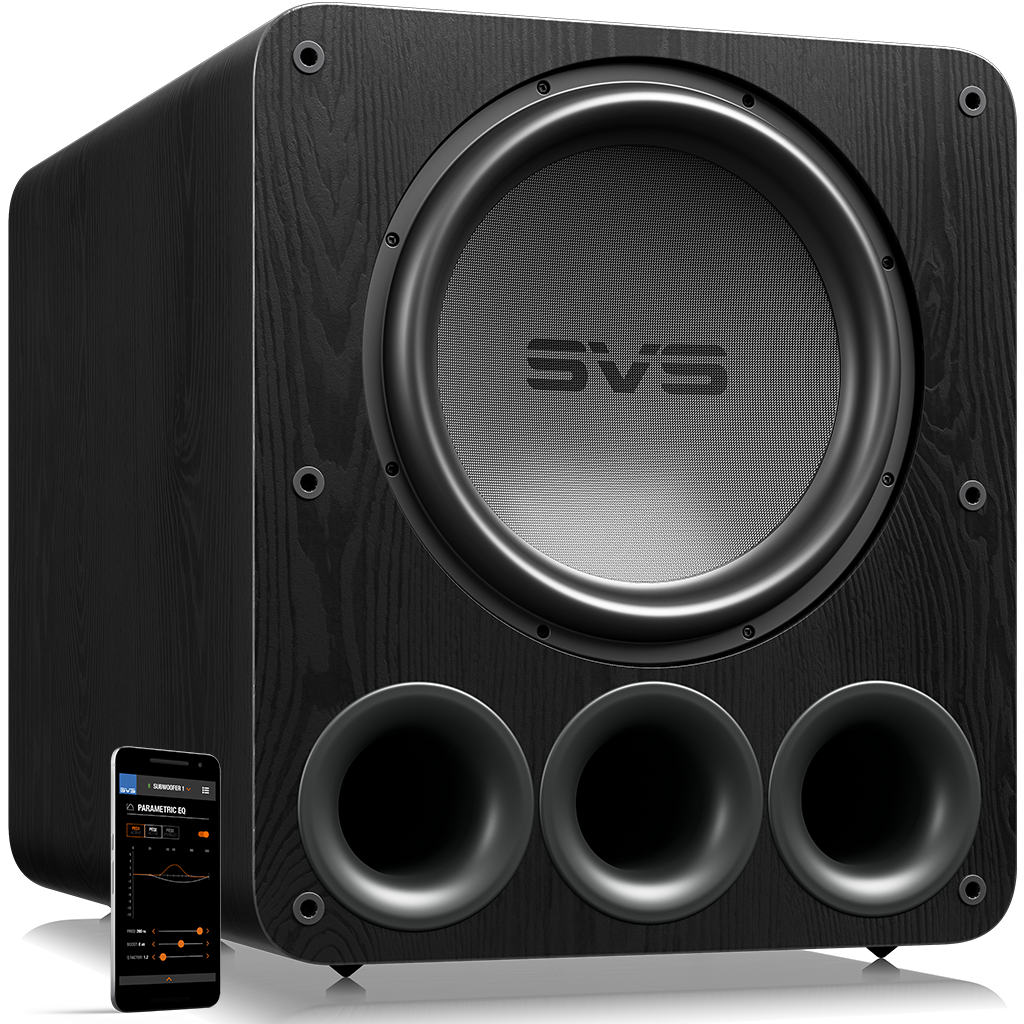
For listeners seeking that kind of experience, particularly at louder playback levels, a high-output ported subwoofer has the advantage. Within comparable SVS product families, ported models can provide substantially greater maximum output in the deepest bass frequencies because of the increased efficiency provided by their larger cabinets and port systems.
That additional capability can translate directly into more effortless, room-energizing bass during demanding movie scenes.
What If You Listen to Music and Watch Movies Equally?
Most home audio systems aren't dedicated exclusively to one type of content, and a high-performance subwoofer should be equally capable of reproducing the texture of a bass guitar and the subterranean effects of a movie soundtrack. Instead of thinking about your system as “music versus movies,” consider which performance characteristics you value most?
If you want a smaller footprint, listen primarily at moderate levels, and place a premium on precise musical reproduction, a sealed design is an excellent fit. If you want maximum deep-bass output, frequently watch effects-heavy movies, listen loudly, or simply love bass you can physically feel, a ported subwoofer design may make more sense. And if you want the best of both worlds, there are high-performance options in either category.
Gaming Has its Own Unique Demands

Modern games can be every bit as demanding as movies, and sometimes more unpredictable. One moment might contain quiet environmental ambience; the next could involve an explosion, vehicle, weapon, or cinematic sequence with tremendous low-frequency energy.
A capable subwoofer adds physical dimension to these effects, making the environment feel larger and more convincing. For casual gaming at moderate levels, extreme output capability may not be necessary. But gamers seeking a highly immersive experience should consider many of the same factors as home theater enthusiasts: deep extension, dynamic headroom, and the ability to reproduce sudden bass transients without distortion or compression.
Playback Level May Matter More Than You Think
Content tells you what your subwoofer needs to reproduce. Playback level helps determine how much performance it needs to have in reserve.
Imagine two people with identical rooms who both love action movies. One typically watches at conversational, family-friendly levels. The other wants the closest possible experience to a commercial cinema, with massive dynamics and bass they can physically feel.
Those systems place dramatically different demands on a subwoofer. As playback volume increases, the subwoofer must generate progressively greater output while maintaining control and low distortion. This is why SVS recommends a more robust subwoofer for listeners who routinely approach reference playback levels or want maximum impact from demanding action and science-fiction soundtracks.
Moderate Playback Levels
If you typically listen at moderate volume, you may not need enormous amounts of additional output capability. A properly sized subwoofer can still deliver deep extension and impactful bass while operating comfortably within its performance limits. And adding a huge subwoofer to a smaller room often leaves you with wasted headroom.
This can make compact and sealed designs particularly attractive when floor space, décor, or visual impact also matter.
Reference-Level and Maximum-Impact Listening
Your subwoofer needs enough dynamic headroom to reproduce demanding bass peaks cleanly without reaching its limits, and deliver it without compression, excessive distortion, or losing impact.
This is especially true with demanding LFE content, where deep bass can require tremendous driver excursion and amplifier power.
Ported designs become particularly compelling in this scenario because their increased efficiency can deliver substantially greater output in the lowest octaves compared with similarly sized drivers and amplifiers in sealed enclosures. SVS specifically identifies ported designs as advantageous for larger rooms and reference-level playback of demanding movie content.

What Exactly Is Subwoofer Headroom?
Headroom is one of the most important, and misunderstood, concepts when choosing a subwoofer. Think of it as performance in reserve.
You don't buy a powerful subwoofer because you intend to operate it at maximum output all the time. You buy additional capacity so the subwoofer isn't approaching its limits when the content becomes demanding. It's similar to having a powerful amplifier. Most of the time, you're using only a fraction of its available output. But when the music or soundtrack suddenly calls for a massive dynamic peak, the capability is there.
More subwoofer headroom can mean:
- Cleaner reproduction during demanding bass passages
- Greater dynamic impact
- Less compression as playback levels increase
- Lower distortion
- A more effortless presentation
That's why someone who enjoys very loud playback may benefit from moving up to a more capable subwoofer even if their room technically doesn't require it based on volume alone.
Do You Want to Hear Bass or Feel It?
Some listeners want bass to provide a natural foundation beneath their speakers. They want the subwoofer to disappear into the system and simply reproduce the lowest octaves accurately.
Others want a much more visceral experience. They want the kick drum to hit their chest. They want the couch to react when something explodes. They want electronic bass to energize the room and movie soundtracks to create physical pressure.
Neither preference is more correct. But they can lead to very different subwoofer recommendations. If tactile impact and room pressurization are priorities, additional output capability, particularly at very low frequencies, becomes much more important.
Should You Consider Dual Subwoofers?
Your listening preferences can also influence whether you should consider one subwoofer or two.
Dual subwoofers aren't simply about playing louder. Properly positioned dual subs can create smoother bass response across a larger listening area by exciting room modes from different locations. They also provide additional dynamic headroom. You can dive deeper into the topic with this article: Why Go Dual?
For a dedicated music listener with a single primary listening position, one properly placed high-performance subwoofer can be an excellent solution.
For a family watching movies across several seats, or an enthusiast trying to create consistent bass throughout a dedicated theater—dual subwoofers can provide a significant advantage.
And for enthusiasts who listen loudly, having two subs means each works less aggressively to achieve the desired overall output.
Quick Guide: Match Your Subwoofer to Your Listening Style
| Your Listening Style | Prioritize | Consider |
|---|---|---|
| 2-Channel Music / HiFi | Accuracy, articulation, transient response, seamless integration | Sealed subwoofer; single or dual model depending on room size |
| Movies at Moderate Levels | Deep extension, balanced output, integration | Sealed or ported; model depending on room |
| Movies at High/Reference Levels | Maximum output, deep extension, dynamic headroom | Higher-output and/or ported subwoofer |
| Music + Movies | Balanced extension, output and accuracy | Sealed or ported based on room, level and footprint |
| Immersive Gaming | Fast dynamics, extension, impact | Sealed or ported depending on desired playback level |
| Maximum Tactile Bass | Ultra-low-frequency output, headroom, room pressurization | High-output ported and/or dual subwoofers |
The important point is that these aren't rigid rules. They're starting points.
Room Size + Content + Playback Level = The Right Answer
- Room volume tells you how much space your subwoofer needs to energize.
- Content tells you what kind of low-frequency demands it will encounter.
- Playback level tells you how much output and headroom you'll need.
Consider all three together, and subwoofer selection becomes much easier. A listener in a 1,600-cubic-foot room who enjoys acoustic music at moderate levels may arrive at a very different recommendation than someone in the exact same room who watches Mad Max: Fury Road and Odyssey at near reference level and wants couch-shaking bass.
Choose for the Experience You Want
Ultimately, the best subwoofer isn't necessarily the biggest, most powerful, or most expensive model. It's the one that can deliver the experience you want.
For music, that might mean revealing the texture and weight of a bass line you never fully appreciated before. For movies, it might mean transforming an explosion from something you hear into something you physically experience. For gaming, it might mean making the virtual environment feel more tangible and convincing.
For someone who enjoys all three, it means having enough accuracy, extension, and headroom to handle whatever you throw at it. That's what properly matched bass should do.
It doesn't just add more sound. It adds more to the experience.
Watch: How to Choose the Best Subwoofer – Content and Listening Preferences
See how your favorite content and preferred playback levels can influence which subwoofer is right for your system.
Need Help Choosing?
Still deciding which subwoofer best matches your room and listening preferences? You can start with the Subwoofer Matching Tool, which makes recommendations based on your specific speaker brand and model.
The SVS Sound Experts can help evaluate your room, system, content preferences, and desired playback levels to recommend the best fit.
Or explore the complete SVS subwoofer lineup and compare models to find the right combination of extension, output, size, and performance for your system.