Choosing the Right Subwoofer Based on Your Desired Playback Level
When choosing a subwoofer, room size and listening preferences are important—but there’s another question that can have an equally significant impact on which model is right for you:
How loud do you actually like to listen?
Two people can have the same room, identical speakers, and watch the exact same movies, yet need very different subwoofers. Someone who normally watches TV and movies at moderate volume puts far less demand on a subwoofer than someone trying to recreate the visceral impact and dynamic range of a commercial cinema.
In Part 3 of our Choosing the Right Subwoofer series, we’re looking at how desired playback level affects subwoofer performance and why having enough output capability and headroom can transform the listening experience.
WATCH: See why your preferred listening volume and desired level of bass impact can have a major influence on choosing the right subwoofer.
Why Playback Level Matters
As you turn up the volume, reproducing bass becomes increasingly demanding. Deep bass requires a subwoofer driver to move large amounts of air. The louder you want those frequencies to play, the harder the driver and amplifier must work. Add ultra-low-frequency effects from an action movie, bass-heavy music, or an immersive video game, and those demands increase even further.
This is why two subwoofers capable of reaching similar frequencies may deliver very different experiences at higher playback levels.
A properly matched subwoofer should reproduce bass cleanly and effortlessly at the loudest level you realistically expect to use, not simply reach the lowest frequency on a specification sheet.
It's Not Just About Playing Loud
One of the biggest misconceptions about buying a more powerful subwoofer is that you're simply buying more volume. What you're really buying is headroom.
Headroom is the performance a subwoofer has in reserve beyond what it normally needs. Most of the time, your subwoofer operates well below its maximum capability. Then a movie explosion, kick drum, orchestral crescendo, or electronic bass drop suddenly demands substantially more output.
A subwoofer with adequate headroom can reproduce that moment without sounding strained.
The benefits can include:
- Cleaner bass at higher playback levels
- Greater dynamic impact
- Less compression during demanding passages
- Lower audible distortion
- More convincing tactile bass
- A greater sense of ease and scale
In other words, a powerful subwoofer doesn't have to sound powerful all the time. Ideally, it simply sounds effortless.
Which Type of Listener Are You?

A useful way to narrow your choices is to think about your normal listening habits.
Low to Moderate Playback Levels
Maybe you live in an apartment, have young children sleeping nearby, share walls with neighbors, or simply prefer comfortable listening volumes. You still benefit tremendously from a high-quality subwoofer.
Deep extension adds weight and realism even at lower playback levels, whether it's the resonance of an acoustic bass, the atmosphere in a movie soundtrack, or the subtle rumble of distant thunder.
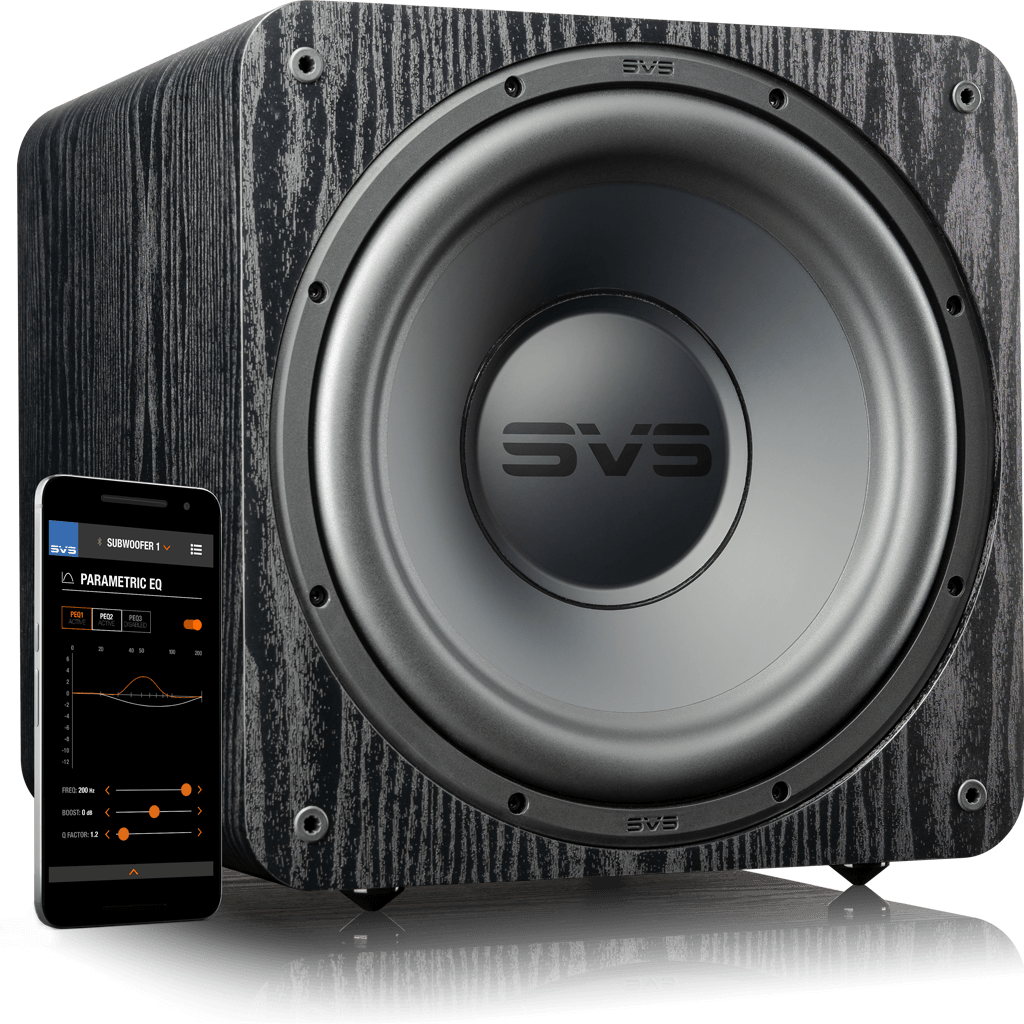
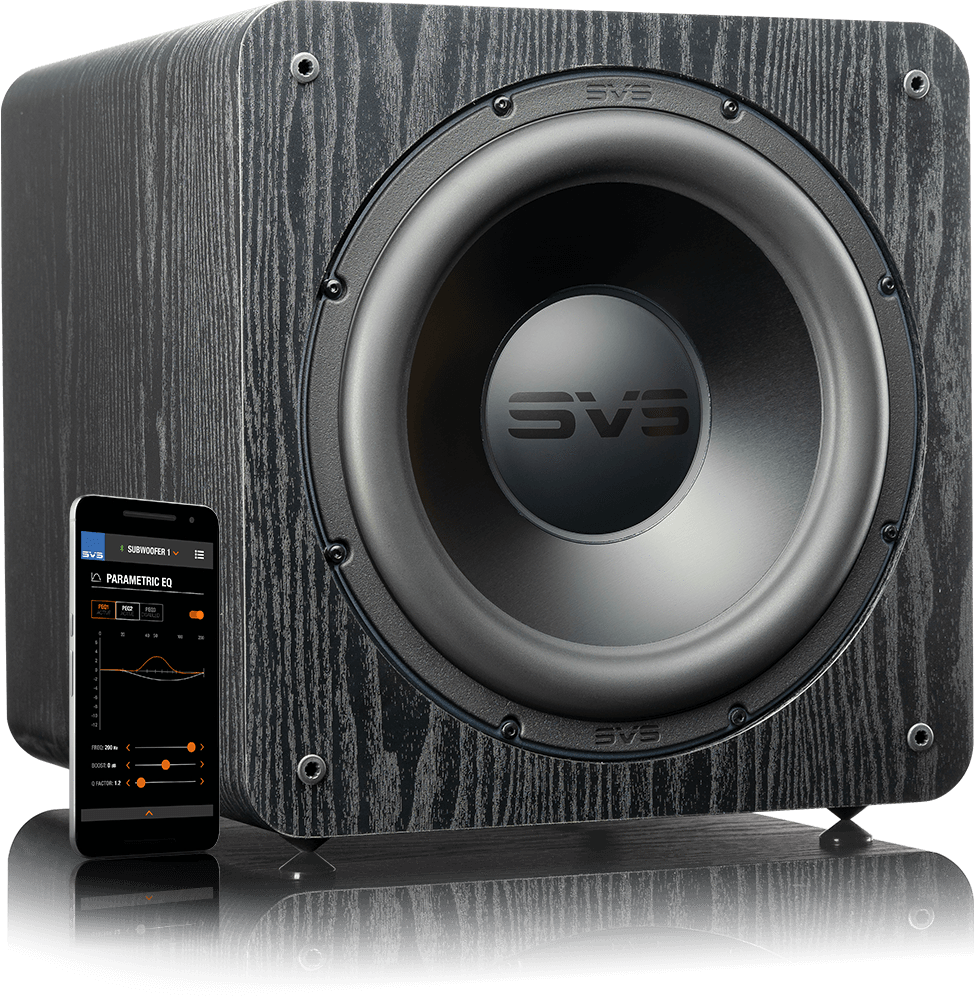
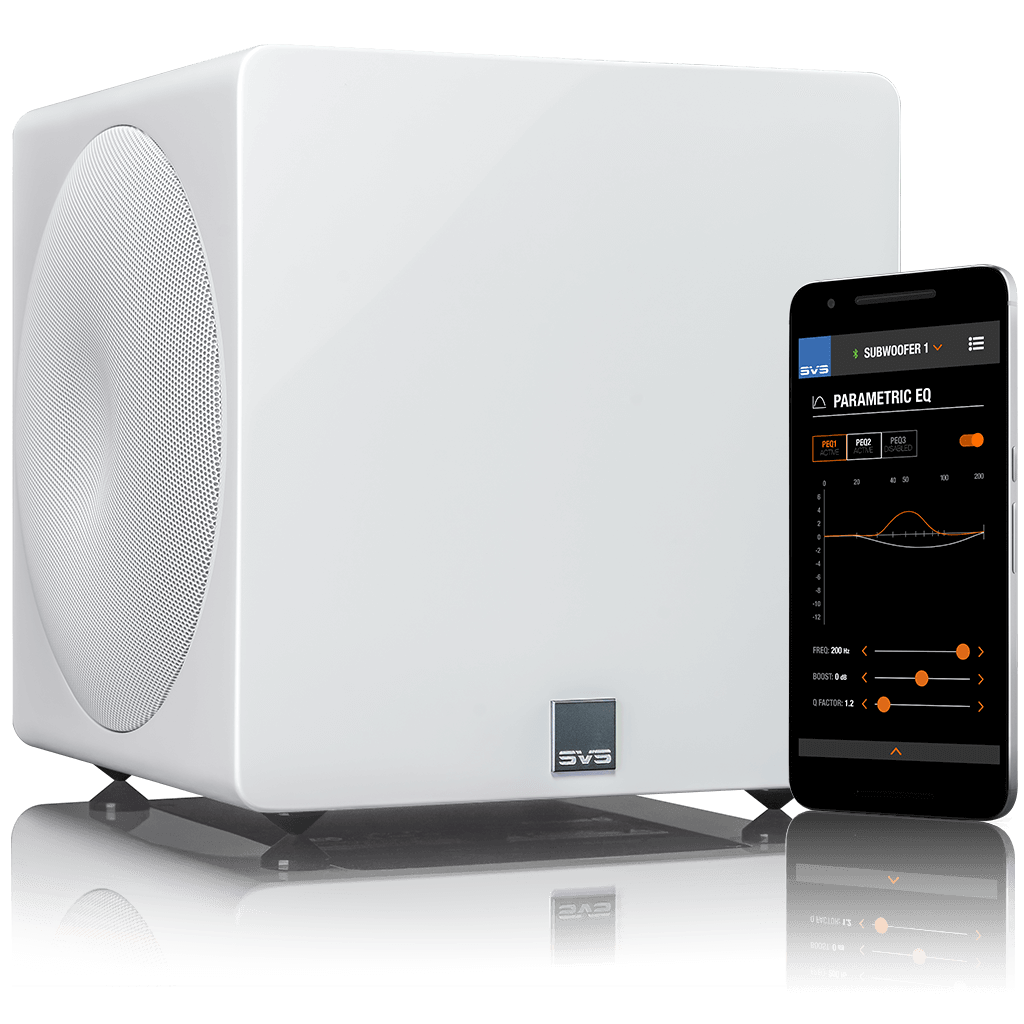
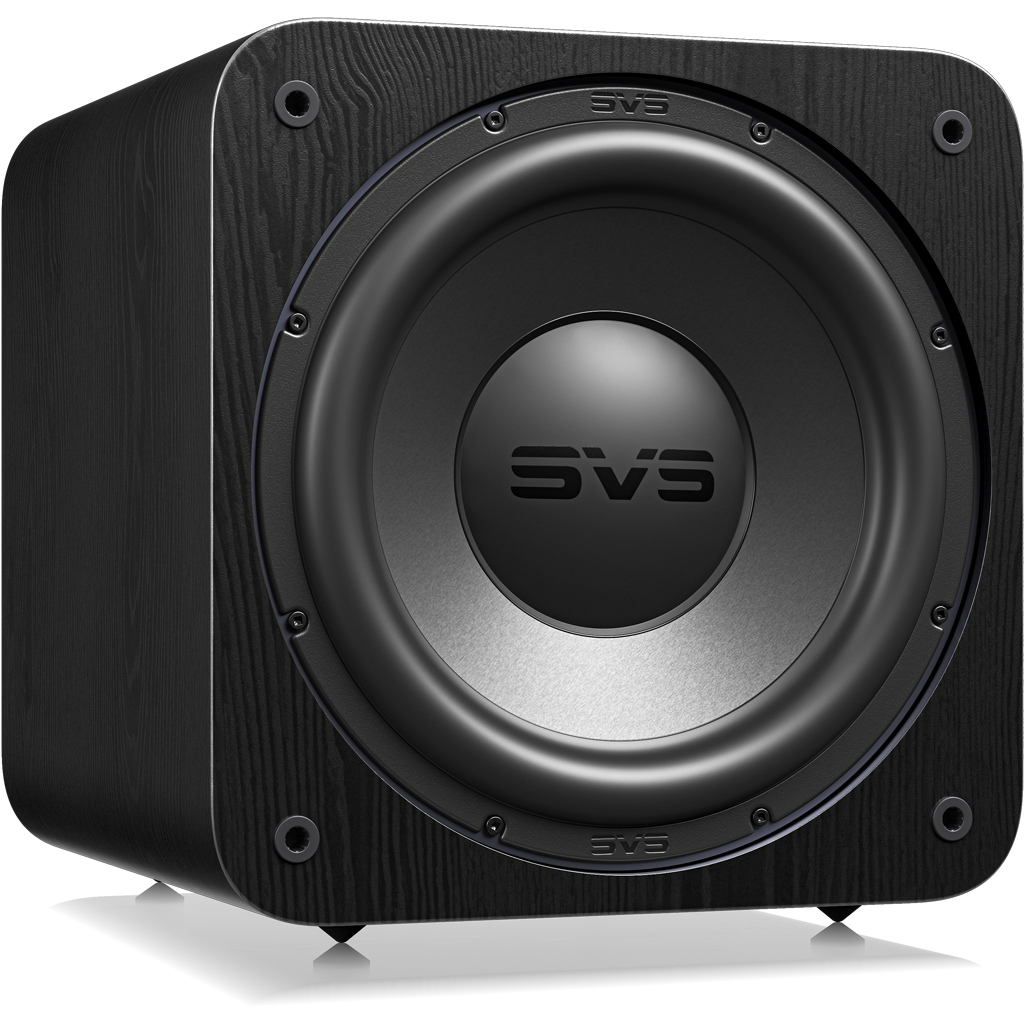
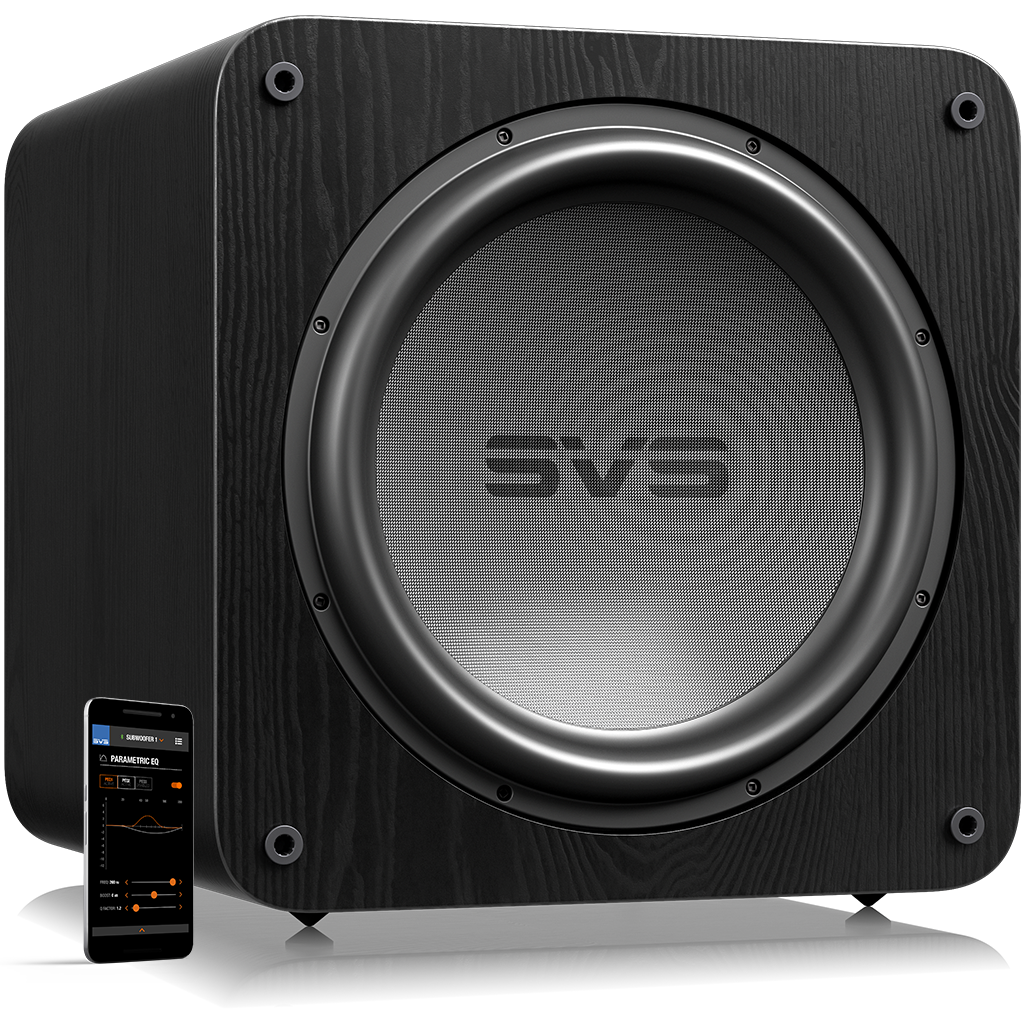
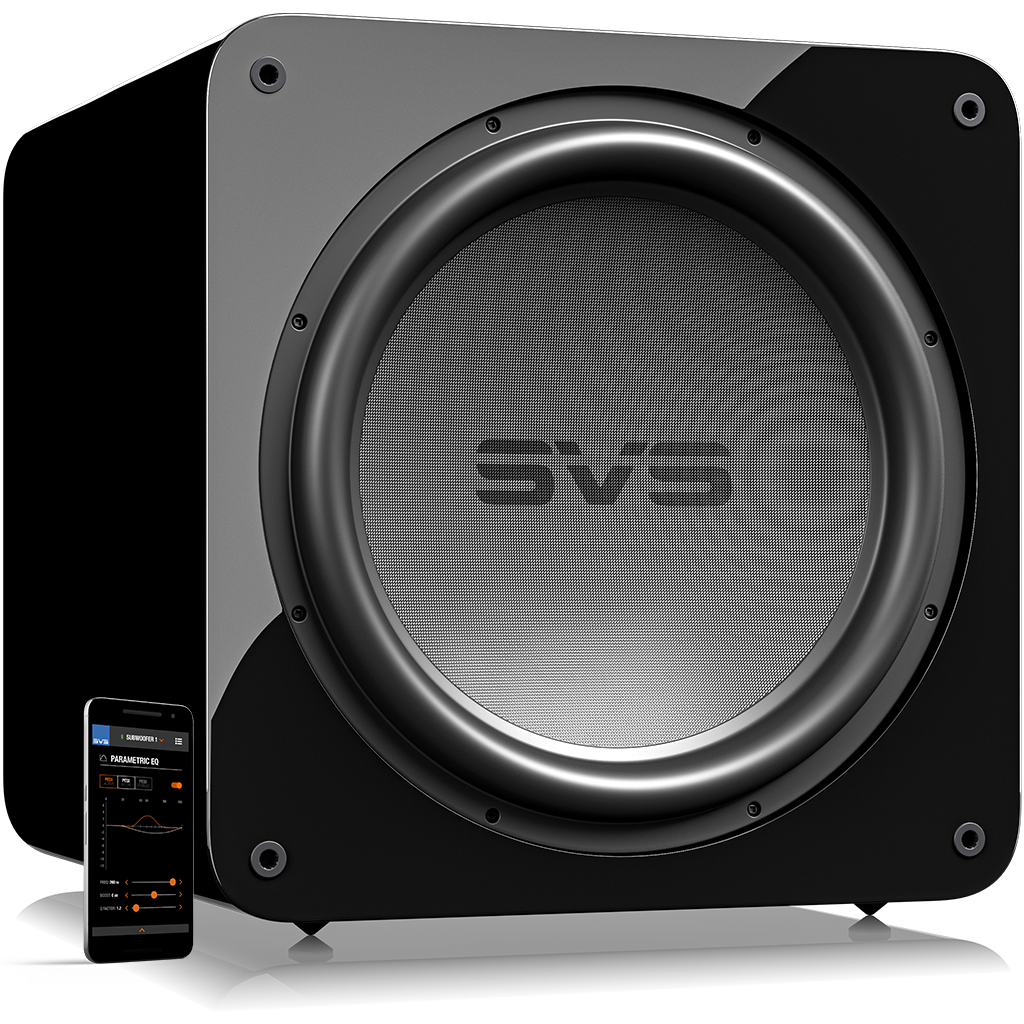
At moderate levels, however, maximum SPL capability matters less. This makes compact, sealed subwoofers like the SVS SB-1000 Pro, SB-2000 Pro, or 3000 Micro R|Evolution particularly attractive, especially in small and medium-sized rooms.
The goal isn't overwhelming output. It's accurate, controlled bass that completes the experience.
Loud Playback Levels
If movie night means dimming the lights, turning up the AV Receiver, and feeling every explosion, spaceship, dinosaur footstep, and musical crescendo, your subwoofer needs substantially more capability in reserve. This is where dynamic headroom becomes increasingly important.
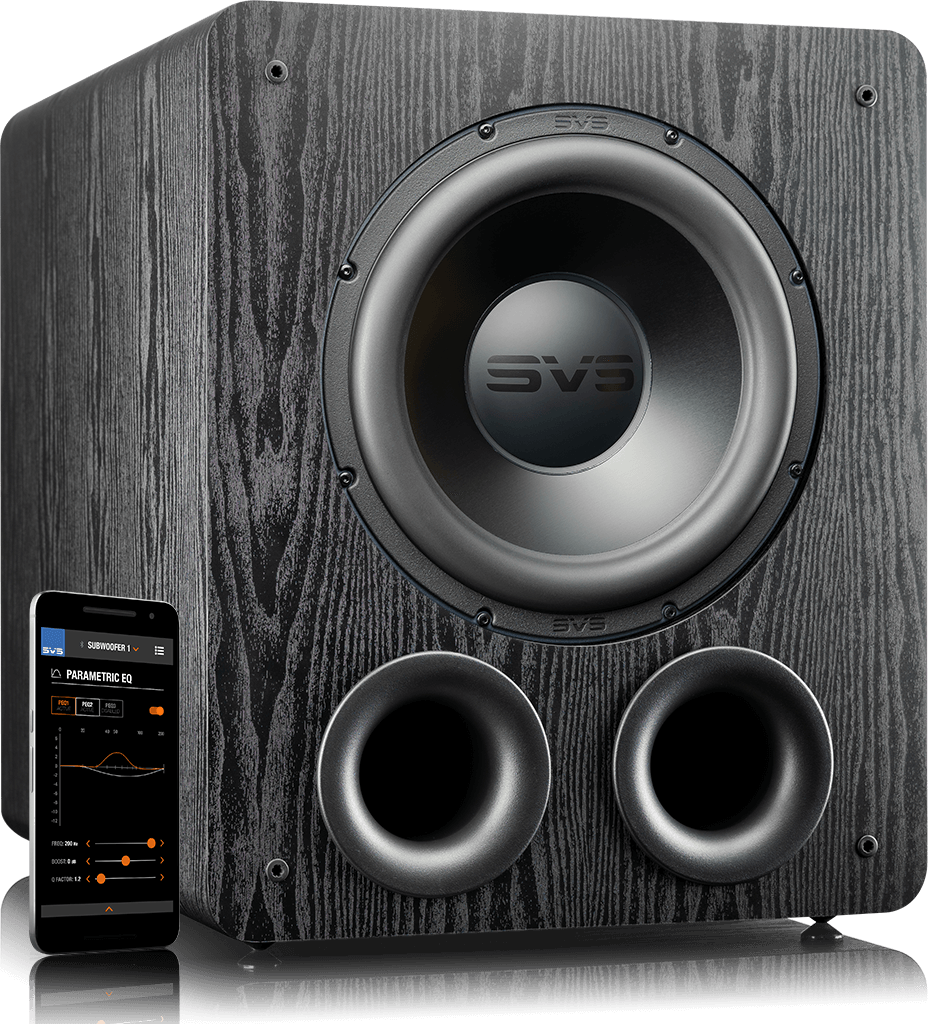
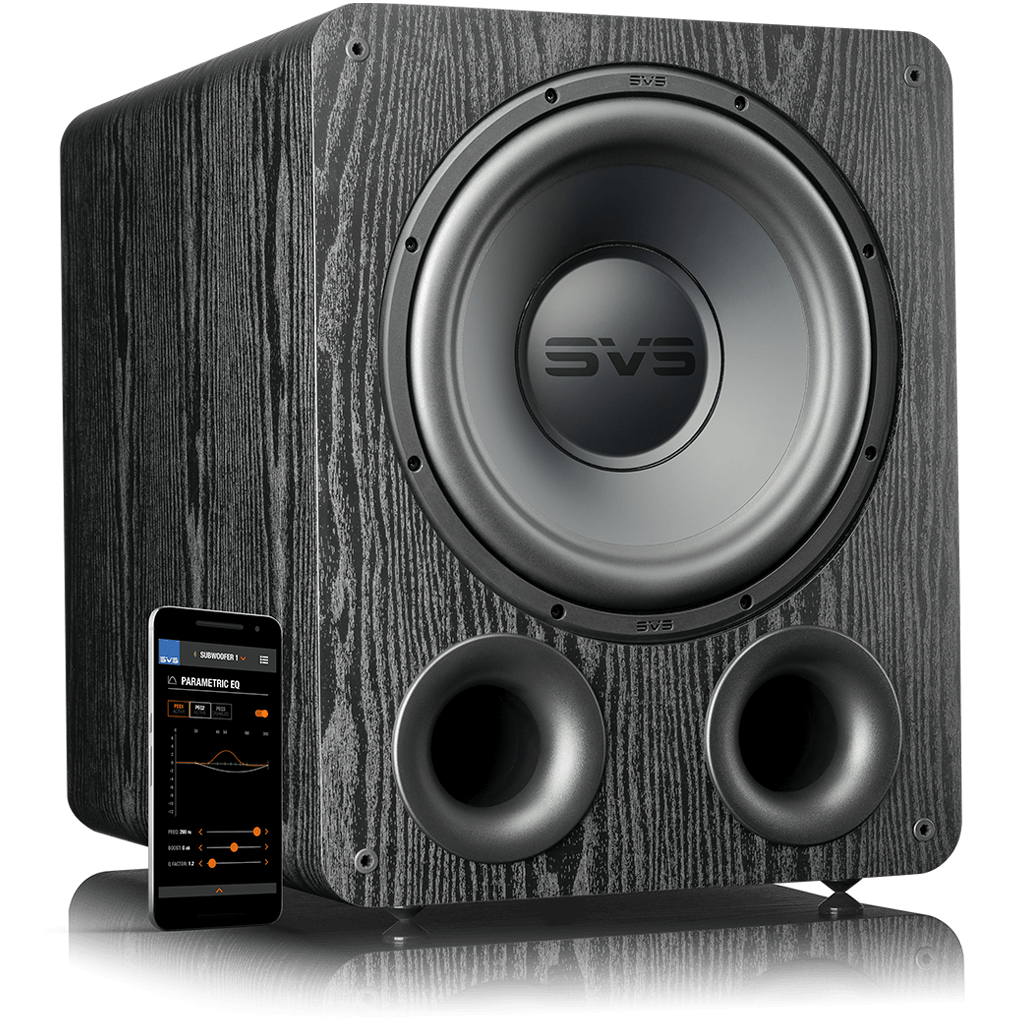
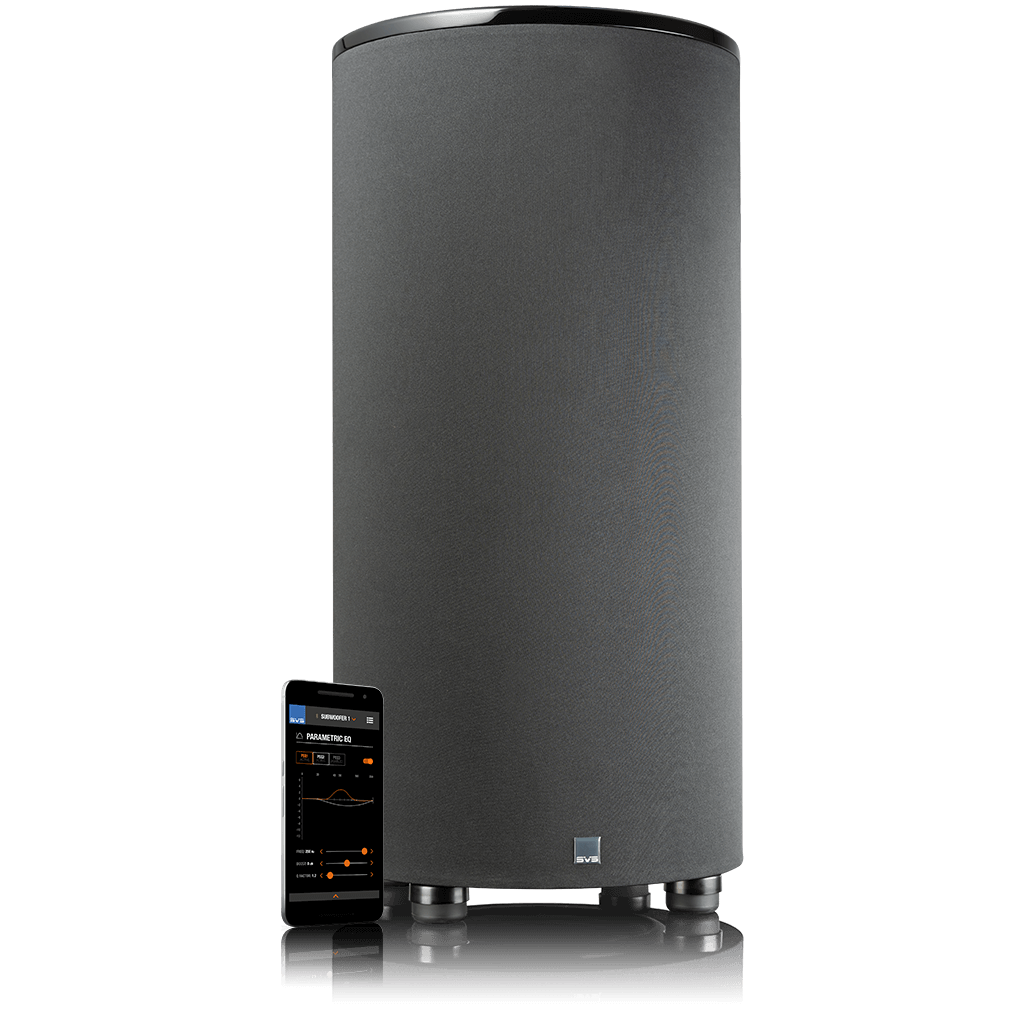
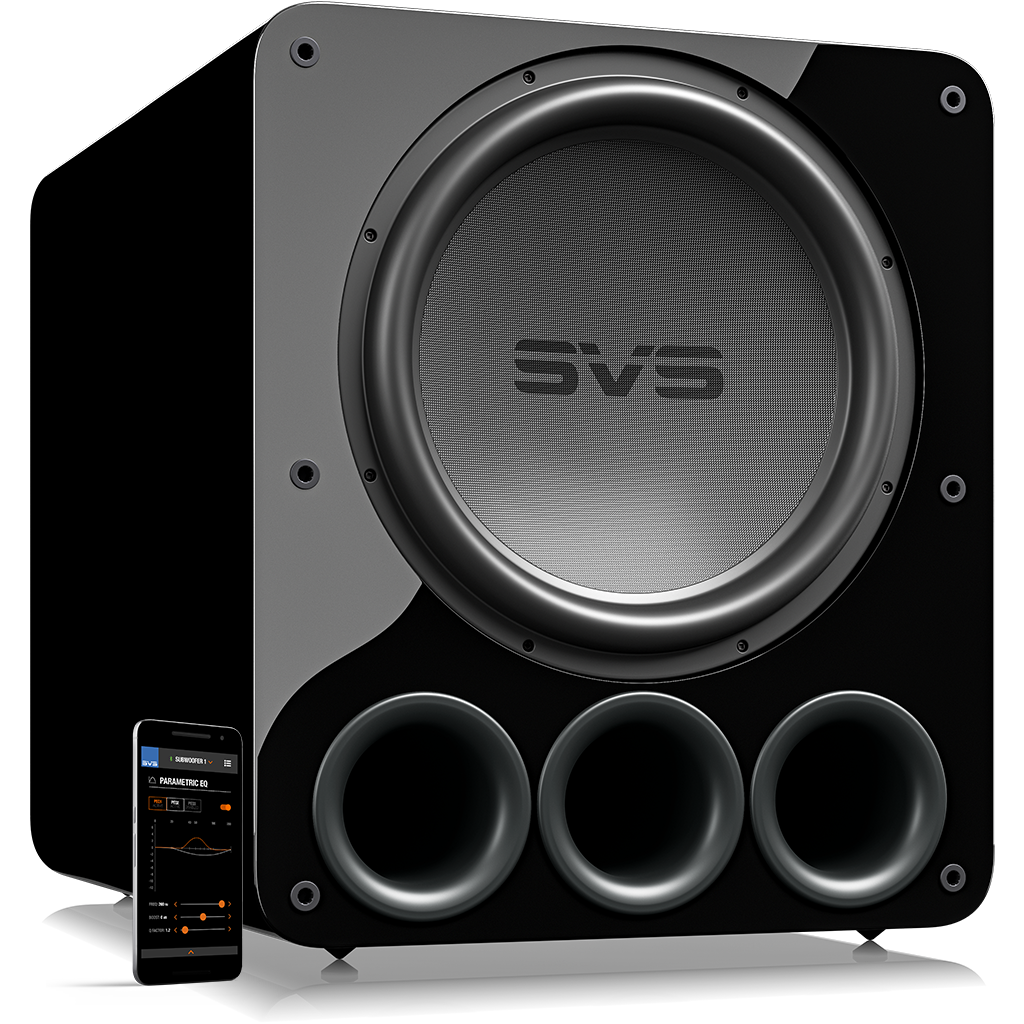
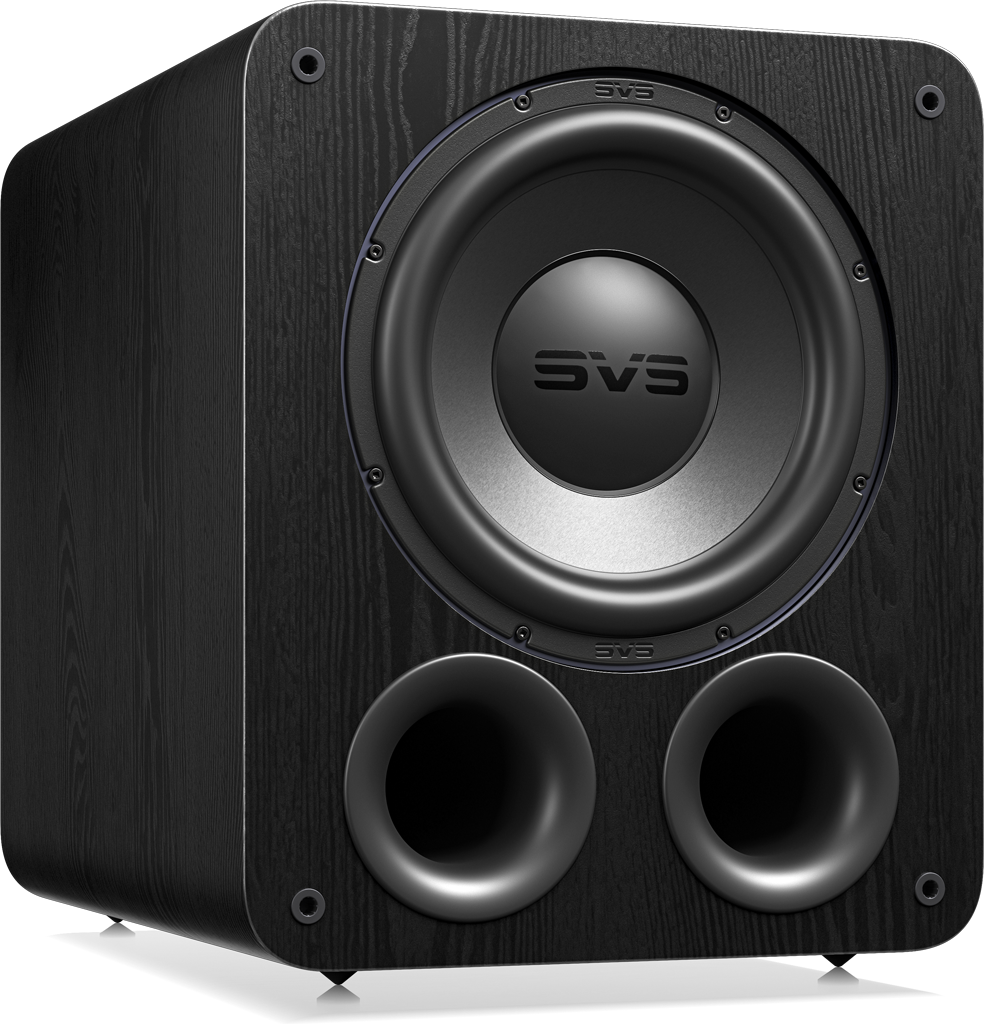
Larger drivers, more powerful amplifiers, greater excursion, and more efficient cabinet designs let higher-performance subwoofers deliver more output without approaching their limits. Listeners in this category should generally consider stepping up in subwoofer capability to a ported subwoofer, or something from the 3000 R|Evolution or 5000 R|Evolution Series, even when a smaller model might technically be sufficient for their room size.
Near-Reference or Maximum-Impact Listening
Some enthusiasts aren't simply looking for good bass. They want a visceral physical experience.
They want an explosion to create pressure in the room. They want a kick drum to hit them in the chest. They want the lowest frequencies in a soundtrack to be felt through the couch before they're consciously heard. At these levels, maximum output, deep-bass extension, and headroom become critical.
High-output ported subwoofers are particularly effective in these applications because their cabinet and port systems can produce substantially greater output in the deepest octaves. Higher-output sealed models can also deliver tremendous performance, especially when you use multiple subwoofers.
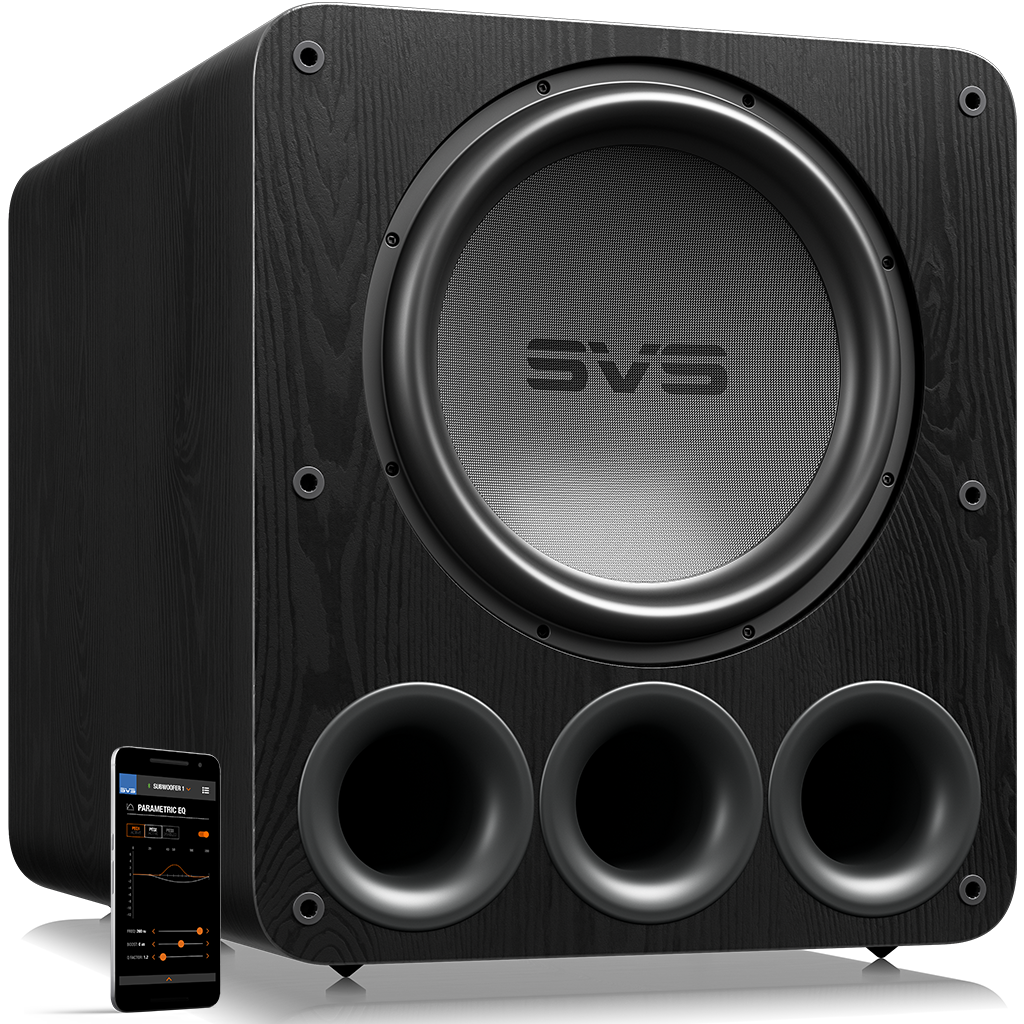
This is where models such as the 3000 R|Evolution, 5000 R|Evolution, and 17-Ultra R|Evolution Series make sense, depending on room volume and the experience you want.
Playback Level and Room Size Work Together
Playback level should never be considered completely independently from room size. A subwoofer trying to produce powerful bass in a 1,500 cubic-foot enclosed room has a very different job from one operating in a 5,000 cubic-foot open-concept space.
Think of these two variables together:
- Room size determines how much air needs to be energized.
- Playback level determines how aggressively you want to energize it.
This creates a sliding scale. A moderate listener in a small room may have very modest output requirements. A moderate listener in a very large, open room needs more capability simply because of the space.
Likewise, someone who listens extremely loud in a relatively small room may still benefit from a much more powerful subwoofer because of the dynamic peaks they want to reproduce. That's why there's no single answer based only on square footage, driver diameter, amplifier wattage, or listening level.
Listening Distance Matters, Too
Where you sit relative to the subwoofer also affects the experience. The farther you sit from the subwoofer, the harder the system generally has to work to produce the same perceived impact. This matters most in large family rooms, open-concept spaces, and dedicated theaters with multiple rows of seating.
If your primary seating position is a considerable distance from the subwoofer, additional output capability or multiple subwoofers may be worthwhile even if your typical listening level isn't extreme.
Can Dual Subwoofers Help?

Absolutely. Dual subwoofers are often recommended because they can produce smoother and more consistent bass across multiple listening positions, reducing the peaks and nulls caused by room acoustics.
But there is another benefit relevant to playback level: additional headroom. With two properly configured subwoofers sharing the workload, each individual subwoofer doesn't have to work as hard to produce your desired output.
If you enjoy louder playback, have a large room, or want consistent bass across several seats and maximum dynamic impact, dual subwoofers can be one of the most effective upgrades.
Don't Size Your Subwoofer for the Average Moment
Your average listening level only tells part of the story.
Memorable moments often place the greatest demands on your system. An explosion out of nowhere, a sudden orchestral crescendo, a kick drum after a quiet intro, or the bass drop you've been waiting for. A properly sized subwoofer has enough performance in reserve to reproduce those moments cleanly rather than compressing them.
That's why it's often better to have more headroom than you think you'll need. You can always turn a powerful subwoofer down. You can't ask an undersized subwoofer to produce output it simply doesn't have.
Room Size + Content + Playback Level = Your Best Match
As we've covered throughout this buyer's guide series, no single specification determines which subwoofer is right for you.
Instead, think about three questions:
- How large is your listening space?
- What do you listen to most?
- How loud and how visceral do you want the experience to be?
Answer those questions, and you're much closer to finding the ideal subwoofer.
The goal isn't simply to buy the biggest model you can accommodate. It's to choose a subwoofer that delivers the experience you want, with enough performance in reserve that the bass always sounds deep, clean, dynamic, and effortless.
Need Help Choosing?
Not sure how much subwoofer you need? The SVS Sound Experts can evaluate your room size, listening distance, system, content preferences, and desired playback level to recommend the best option.
You can also use the SVS Subwoofer Matching Tool or explore the complete SVS subwoofer lineup to compare models and find the ideal combination of output, extension, size, and performance.
FAQ's
Does the type of music I listen to affect which subwoofer I should buy? Yes. Different music genres can place different demands on a subwoofer. Jazz and acoustic recordings benefit from accurate bass reproduction and subtle detail, while electronic music, hip-hop, and bass-heavy tracks may demand greater low-frequency extension and output. Regardless of genre, a quality subwoofer should reproduce bass accurately without distortion or exaggeration.
Can one subwoofer deliver great bass for both music and movies? Absolutely. A well-designed subwoofer can reproduce the subtle details and dynamics of music while delivering the deep, powerful low-frequency effects found in movie soundtracks. The key is choosing a model with sufficient extension, output capability, and dynamic headroom for your listening preferences.
Does a bigger subwoofer always mean better bass? No. A larger subwoofer may offer greater output and deeper bass extension, but size alone doesn't determine sound quality. Driver design, amplifier performance, frequency response, distortion, and room acoustics all influence bass performance. The best choice depends on your room, listening habits, and desired experience.
How much subwoofer power do I need for my listening preferences? It depends on your room size, preferred volume, and the content you enjoy. Listening to music at moderate levels typically requires less maximum output than watching action movies near reference levels. Rather than focusing solely on amplifier wattage, consider the subwoofer's overall output capabilities, low-frequency extension, and available headroom.
Can a subwoofer deliver deep bass without overwhelming the rest of my speakers? Yes. A properly calibrated subwoofer should blend seamlessly with your speakers, adding low-frequency depth and impact without overpowering vocals or instruments. Proper placement, crossover settings, and volume calibration help achieve balanced bass for music, movies, and gaming.