Bad Bunny Halftime Show Audio Engineer on Mixing & SVS SB-5000 R|Evolution Subwoofer

Jon Rezin, Bad Bunny Halftime Show Audio Engineer
When you’re mixing the halftime show for one of the world’s most televised events, there are no second chances. Every transition, every impact, every low-frequency swell must land perfectly - in the stadium, on the broadcast feed, and in living rooms around the world. It’s one of the most demanding audio environments on the planet, where creative vision meets technical precision at an unforgiving scale.
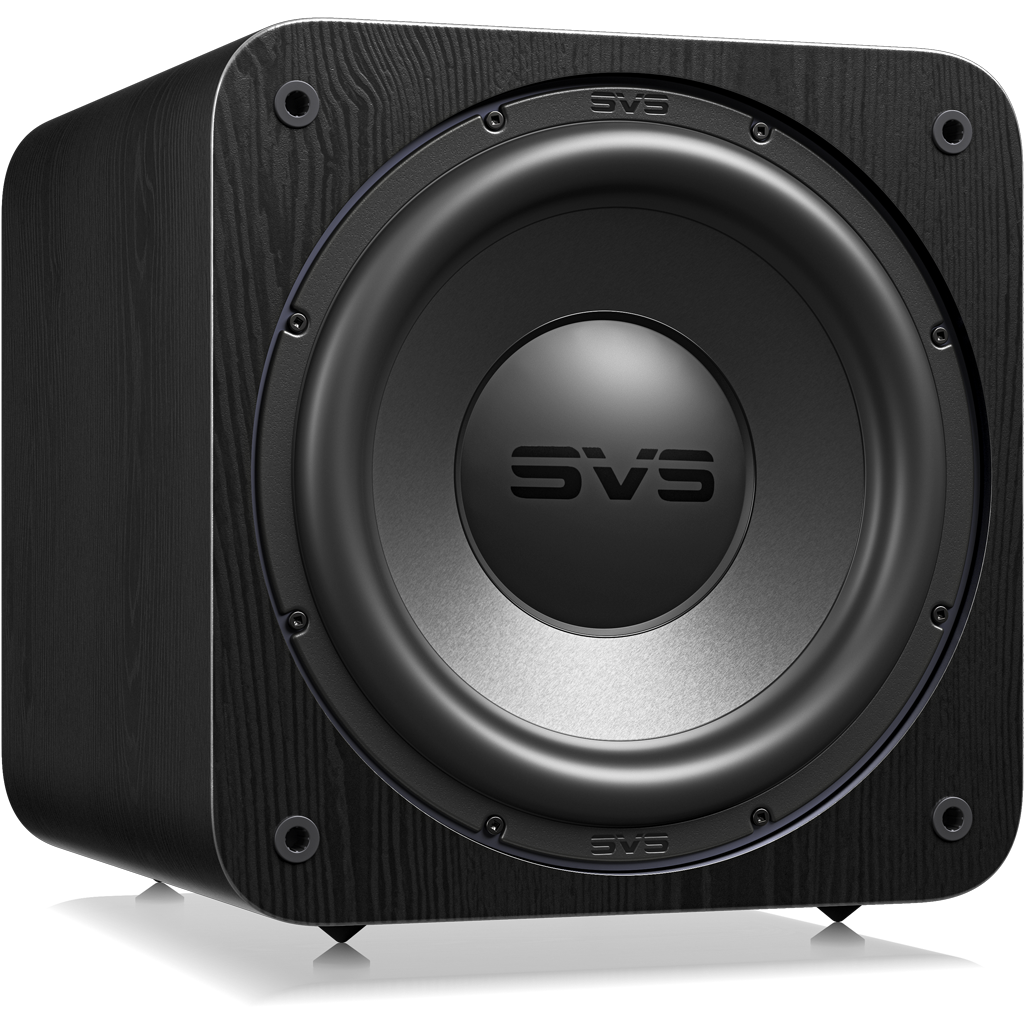
For this year’s performance, Jon Rezin, Grammy-Winning Mixer and Producer, was responsible for shaping that sonic experience and used an SVS SB-5000 R|Evolution subwoofer in his studio as part of his critical mastering process. Chosen for its accuracy, consistency, and low-frequency control, the SB-5000 R|Evolution helped him make confident mix decisions that would ultimately be heard and felt by millions.
In the conversation below, he shares what it takes to craft a halftime mix, why low-frequency energy plays such a powerful emotional role, and how trust in your monitoring system becomes essential when the stakes are this high.

Questions And Answers:
What are some of the practical challenges that make mixing the Big Game’s halftime performance different from a typical studio mix?
When I'm mixing music which will be used for a live show performance, I use my sonic palette slightly differently than when I mix a record. I’m much more focused on punctuating moments and using dynamics to enhance the emotional arc of the show. Elements like risers, deep impacts, and sound design become critical because they often mark transitions or highlight moments that are important.
Those elements will most likely be sync’d to lighting, video cues, and pyrotechnics. In those moments, the low end plays a huge role. I use it not just to add weight, but to help drive the emotion home and support the story being told on stage.
When you take on a performance of this scale and visibility, what responsibility do you feel as the person shaping how it will be heard by the world?
It’s an enormous responsibility. Not only because Bad Bunny is one of the most influential artists in the world, but because this performance carries real meaning for so many people. Music has a unique ability to bring people together, and his work speaks to identity, unity, and shared experience. Knowing that, I feel both honored and humbled to play a small role in helping shape the sound in an authentic way.
How does working in a context where there are no second chances change the way you think, listen, and commit to decisions?
We have done over 30+ mixes for this show - countless revisions on timing, song choices, and sound design. That volume of work is what it takes to create something iconic. You can’t let off the gas, because changes can come right up until the last moment. Those changes aren’t arbitrary changes either, they are always in service of making the performance stronger. My job is to make sure the mix reflects that intent and continues to heighten the emotional impact all the way to showtime.
At this level, technical perfection isn’t always possible — how do you decide what truly matters when every decision carries consequences?
What ultimately matters most is conveying the emotion and intention of the artist. Our role is to be conduits for that message and to help amplify its impact. That means focusing first on feel, clarity, and momentum, and then refining the details as much as possible within the time we have. I work very closely with the music director, Miguel Gandelman, to get the sound exactly where it needs to be to support Bad Bunny’s vision. We push for excellence across the board, but emotion always triumphs over polish.
How do you make decisions knowing the performance has to work simultaneously in a stadium, on broadcast, and on home systems around the world?
That’s exactly why having an accurate, reliable monitoring environment is so important to me. I need to be able to hear every nuance clearly so I can make decisions quickly and commit to them with confidence. When my monitoring is truly dialed in, especially the integration between the mains and the subs, I’m not guessing how something might translate, I’m able to quickly make informed decisions that translate everywhere. The broadcast mixer is the final say for what finally hits the airwaves by sculpting my mix stems, but my work helps create everything you experience on the day of the performance.
Low-frequency energy plays a huge role in how power and emotion are perceived — what are you listening for in the low end to make sure the performance feels right?
I’m using the subs to move air… which makes the people feel the music… which makes people dance. The goal is to balance the low frequencies across the entire performance so they support the emotion of each moment. Sometimes that means being clean and controlled, other times a little more aggressive or gritty. The approach shifts from song to song, but it always needs to feel intentional, powerful, and clear enough to translate properly across all playback systems.
When the stakes are this high, how important is it to trust your monitoring chain — and why do SVS subwoofers play a role in that trust for you?
Before starting work on this show, I was already looking to replace the subs in my studio. A colleague of mine, mastering engineer and acoustic specialist Gerhard Westphalen, recommended SVS subs. After spending time learning about the company vision and examining their craft, I realized their vision aligned with what I value.
The combination of accuracy, build quality, and consistency helped make it a no-brainer. I chose the SB-5000 R|Evolution subwoofers because they deliver a level of low-frequency precision, tightness, and reliability that lets me make critical decisions with confidence. At this level, trust in my monitoring isn’t optional… It’s essential.
Years from now, when people look back on this performance, what do you hope they remember about how it felt sonically?
I want people to remember this as a moment where love triumphs over hate. Bad Bunny’s music is primarily about unity and cultural identity. We need more acceptance of one another and celebration of our diversity. This diversity is our strength as a nation and as a world. We need more of this message. It’s my hope that what I was able to contribute to this moment in history helps emphasize that message of unity, love, and celebration of diversity. If the audience walks away feeling uplifted and connected, then I’ve done my job. We all have a part to play in building the world we want to see… mine just happens to be sound.